
The Choicer Voicer: A Mario Party Joke Turned Vocal-Performance Framework
The Choicer Voicer turns a throwaway party-game idea into a surprisingly sturdy comedy machine—but only once someone supplies the fuel. Inspired by Choicest Voice, the Mario Party: Island Tour minigame that streamer Vinny Vinesauce suggested remaking in December 2023, The Choicer Voicer asks players to perform a vocal impression and then sit through a computer-controlled judge panel’s reaction. That premise is instantly legible: the joke lives in the gap between the performance you intended and the one your microphone actually captured. More importantly, the loop is strong enough to support the game’s larger framework of customizable judges, hosts, studios, and user-made material without needing elaborate rules to create tension.
Media coverage highlighting the game's unusual origins.
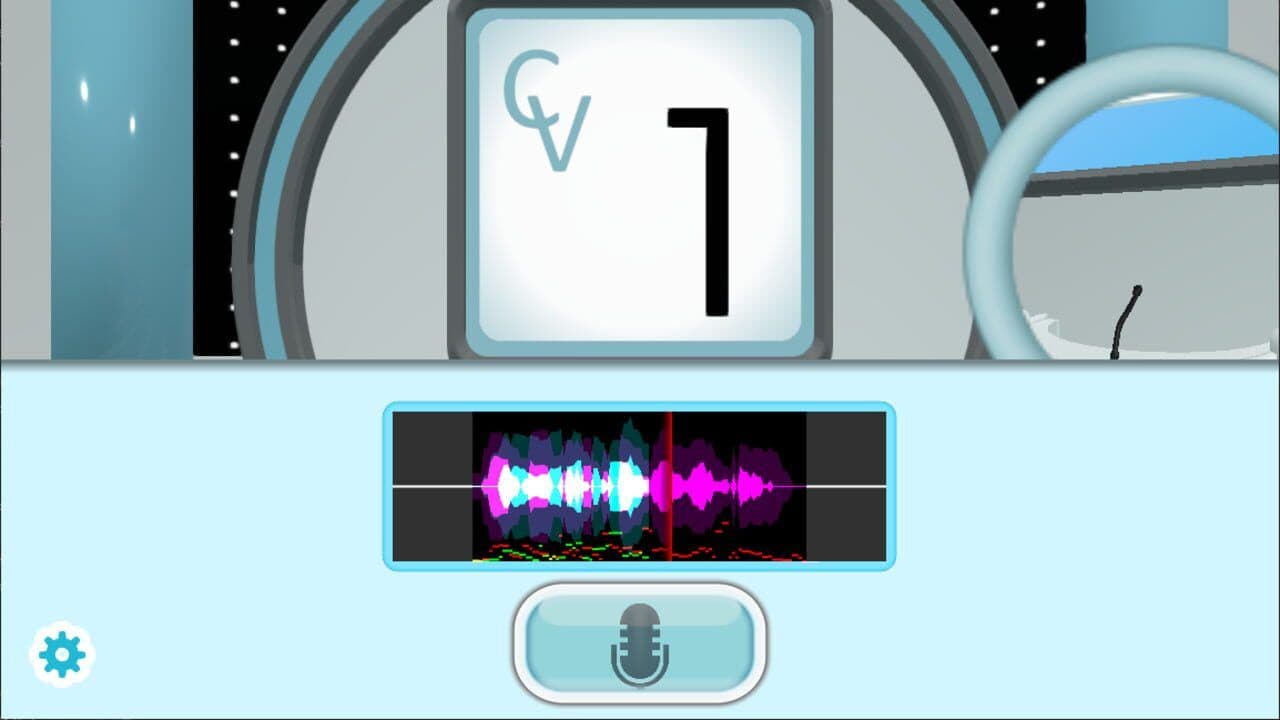
Its pacing understands what a local party game should be doing. Rounds generally last only a few minutes, so passing the microphone around a room feels natural rather than ceremonial; nobody has to commit to a campaign or learn a complicated ruleset before the first laugh. A player chooses a clip, records a take, and watches the show package that attempt as a public performance, giving even a technically poor impression a chance to become funny through context and reaction. The Choicer Voicer’s best early moments come from that immediacy: a friend confidently delivers a line, the waveform plays back, and the judges’ response turns the failed imitation into the evening’s punchline.
The Choicer Voicer is less a finished party game than an empty television studio waiting for someone to bring the show.
That distinction defines the first-install experience. The game is currently an early access alpha on Windows and Linux, with a local studio mode for one to four players, but the base installation contains very little built-in material; it can feel like an empty stage rather than a complete party package. The design intent is clear—make the tools flexible enough that players can shape the show themselves—but the immediate consequence is confusion for anyone expecting a stocked library of clips and characters. The central mechanic works, yet the first impression is conditional: with suitable material ready, the game becomes an inviting social toy; without it, the sparse setup makes the project look unfinished before its strongest idea has a chance to land.
Solo play exposes that limitation most sharply. A lone player can treat The Choicer Voicer as private practice, repeating performances against personal scores, but the computer judges cannot reproduce the comedy of watching friends interpret the same clip in wildly different ways. The game’s short rounds make solo experimentation painless, and the microphone loop still offers a useful rehearsal space, but its strongest value depends on an audience—local friends or, in the Twitch variant, viewers who can react to the performance. The Choicer Voicer therefore establishes itself less as a conventional single-player game than as a compact performance framework: modest on its own, unusually effective when people bring their own sense of humor to the stage.
The Choicer Voicer Scoring: A Funny Vocal Challenge with a Black-Box Judge
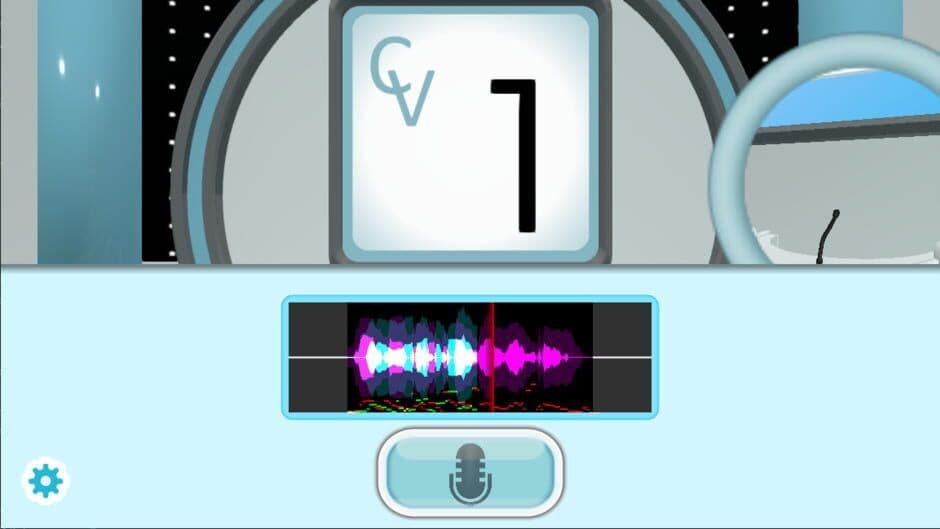
Official screenshot demonstrating the game's visual style.
A Vocal Test, Not a Karaoke Contest
The Choicer Voicer is funniest when it stops pretending to be a trivia game and reveals itself as a compact vocal-performance test. Players hear a short clip, record their own version through a microphone, and wait for the judge panel to compare the two. The scoring looks beyond whether the words are correct: clarity, timing, pitch matching, tone, cadence, rhythm, and overall delivery all shape the result. A technically accurate recitation can still underperform if its rhythm is flat, while a rougher impression can succeed by capturing the source’s attitude and timing. That distinction gives the mechanic real bite; the game rewards acting, not merely reading aloud.
The system also makes a welcome distinction between performance quality and recording equipment. A modest headset microphone is generally enough because the judges prioritize the character of the impression over pristine audio fidelity. That matters in a party setting, where expecting every player to arrive with studio hardware would kill the joke before it started. The waveform playback reinforces this design: players hear what they actually delivered, then compare that captured performance with the clip rather than relying on their memory of how it sounded in their head. This is the moment The Choicer Voicer earns your trust as a performance game—the microphone is a measuring tool, not a paywall.
The scoring understands that “correct” is not the same as convincing, but it refuses to explain exactly why one performance convinces it more than another.
That opacity is the central weakness. The judge panel does not clearly disclose how it weighs clarity, timing, pitch matching, or waveform similarity, so players are left reverse-engineering the results from repeated attempts. Version 0.4.12 made the scoring more forgiving by weighting comparisons between maximum waveform levels more heavily than comparisons between average waveforms, a change intended to help quieter clips and improve audio matching. It is a sensible adjustment, but it also demonstrates how difficult it is to build confidence in a black-box judge: when the algorithm changes and its priorities remain hidden, a low score can feel like useful criticism one round and arbitrary punishment the next.
Multiplayer gives the system a much stronger purpose than solo score-chasing. When two, three, or four players perform the same clip, the panel becomes a direct comparison point: one person may reproduce the cadence precisely, another may chase the pitch, and a third may deliver an exaggerated character reading that barely resembles the original but gets the room laughing. Those contrasting interpretations expose what the game is measuring more effectively than any tutorial could. However, larger groups introduce a performance bias that the scoring does not fully resolve. Loud, broad impressions are easier for both the audience and the judges to notice, while a subtle delivery can be technically closer to the source yet feel less rewarded beside a theatrical one; in a four-player room, that turns the contest partly into a battle for attention.
The intended difficulty is appealing. Perfect approval from all five judges is supposed to be rare, and the fact that the audio scorer remains a work in progress keeps strong performances from becoming automatic victories. A hard score can push players to adjust their timing or sharpen their delivery rather than simply repeat the same line, which makes failure productive when the result tracks an audible mistake. The problem is consistency: without an explanation of the calculation, and with scoring algorithms being revised over time, players cannot always tell whether they missed the performance or the system missed the intent. The Choicer Voicer has a genuinely funny vocal challenge at its core, but its judge panel needs clearer feedback before its difficulty feels fully earned. As it stands, the best rounds create the satisfying suspicion that you could improve; the worst leave you wondering what, exactly, you were meant to fix.
The Choicer Voicer Modes and Content Packs: Creativity Beats Built-In Variety
The Choicer Voicer’s real replayability does not come from a large built-in library; it comes from how little the game asks of its creators. This is a party framework that becomes more interesting the moment players stop waiting for official content and start feeding the machine themselves.
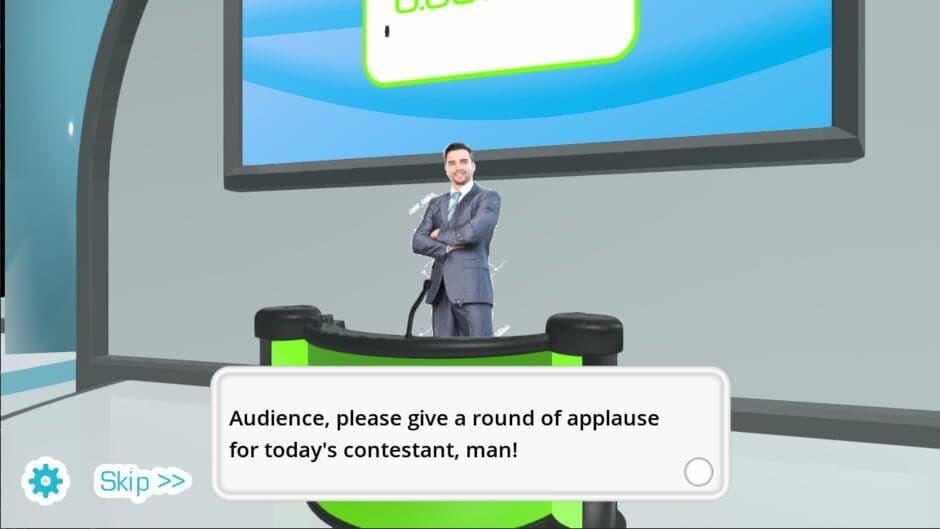
In-game footage displaying the variety of content available to players.
Creating a voice pack is admirably low-friction. Players arrange audio files in the expected folder structure, and the game can load those clips at runtime without requiring code, a specialized editor, or a complicated authoring tool. That simplicity turns a joke about a favorite character, a friend’s strange recording, or an obscure internet quote into playable material with very little technical overhead. The limitation is equally clear: “easy to make” still means someone must source, trim, and organize the audio before the party can begin. The Choicer Voicer lowers the barrier to creation, but it does not remove the labor of curation.
That trade-off has produced a promising content-pack ecosystem. Community packs can focus on niche memes, obscure quotes, musical material, or personalized recordings, while broader packs can add judges and studio themes alongside new clips. The examples already circulating—including a Valve pack that grew to more than 1,600 voice lines and a separate Retro FPS pack—show why this model can outlast a fixed selection of developer-made prompts: groups can tailor the game to the references they actually find funny. New pack features strengthen that pipeline further; version 0.5.0 added clip tags and filtering, while nested folders can automatically become tags, making larger libraries easier to navigate. This is not conventional downloadable-content support so much as a community-built repertory theater.
The Choicer Voicer’s content strategy is brilliant when treated as a creative toolkit—and unforgiving when treated as a finished party game.
Without those community packs, the illusion collapses quickly. The default installation contains little material, so a newcomer can exhaust its limited selection or simply fail to understand what they are expected to add. That makes the first session unusually dependent on preparation: a group that arrives with clips, packs, or a streamer audience gets a personalized comedy show, while a group expecting a self-contained library finds an empty studio and repetitive prompts. The game’s short rounds soften repetition but cannot solve the underlying shortage of material. Its replayability is therefore substantial in principle and conditional in practice, a distinction buyers should understand before they mistake flexibility for volume.
Dub Mode is the smartest answer to the pressure of judged rounds. Instead of asking players to compete for approval, it lets them record voiceovers for existing scenes, turning the same microphone tools into a low-pressure performance sandbox. That makes it useful for newcomers who are not ready to perform against a panel, and it gives creators a practical place to test a new pack before placing it in the competitive studio. The mode is also more honest about what makes the game enjoyable: sometimes the fun is not earning a score, but hearing a friend confidently dub a scene with an absurdly inappropriate voice. Its weakness follows the broader design, however—players must supply the scenes themselves, so Dub Mode expands creative possibility without solving the base game’s lack of ready-made content.
Version 0.5.0 gives that sandbox more structure. Dub packs can use OGV video files and metadata to control when lines play; scenes can be dubbed clip by clip, or tackled in Freestyle Dub Mode, where the entire video runs live. Players can save and rewatch dubs, although the game stores the recorded audio rather than a finished video and reconstructs the replay from the pack’s metadata. That is a meaningful evolution because it turns improvisation into something players can revisit and share inside the framework, but it remains a creator-facing feature rather than a content library. The tools are becoming more capable; the game still expects the audience to bring the script.
Twitch integration provides the most convincing alternative to the limited local player count. In its streamer-focused variant, live chat replaces the computer judges with audience votes, making the outcome less predictable and more socially volatile than the standard panel. Keyword-triggered Twitch Chatter packs go further: viewers can invoke audio clips during the show, and special content can even let them vocalize as part of the performance. This changes the game from a four-person local contest into an audience-driven event whose material and judgment arrive in real time. It is a strong use of the framework because chat is not merely watching the game—it is supplying the heckling, prompts, and reactions that make the format work.
The Choicer Voicer’s modes are therefore less a set of fully stocked alternatives than different lenses on the same creative engine. The studio delivers competition, Dub Mode delivers experimentation, and Twitch turns the audience into both judge and content creator; all three become markedly better when players provide their own material. That is a compelling philosophy for streamers and inventive friend groups, but a demanding one for anyone seeking instant variety. The game has built an unusually open stage—now it needs players willing to write the show.
The Choicer Voicer Presentation: A Charming Customizable Game-Show Shell
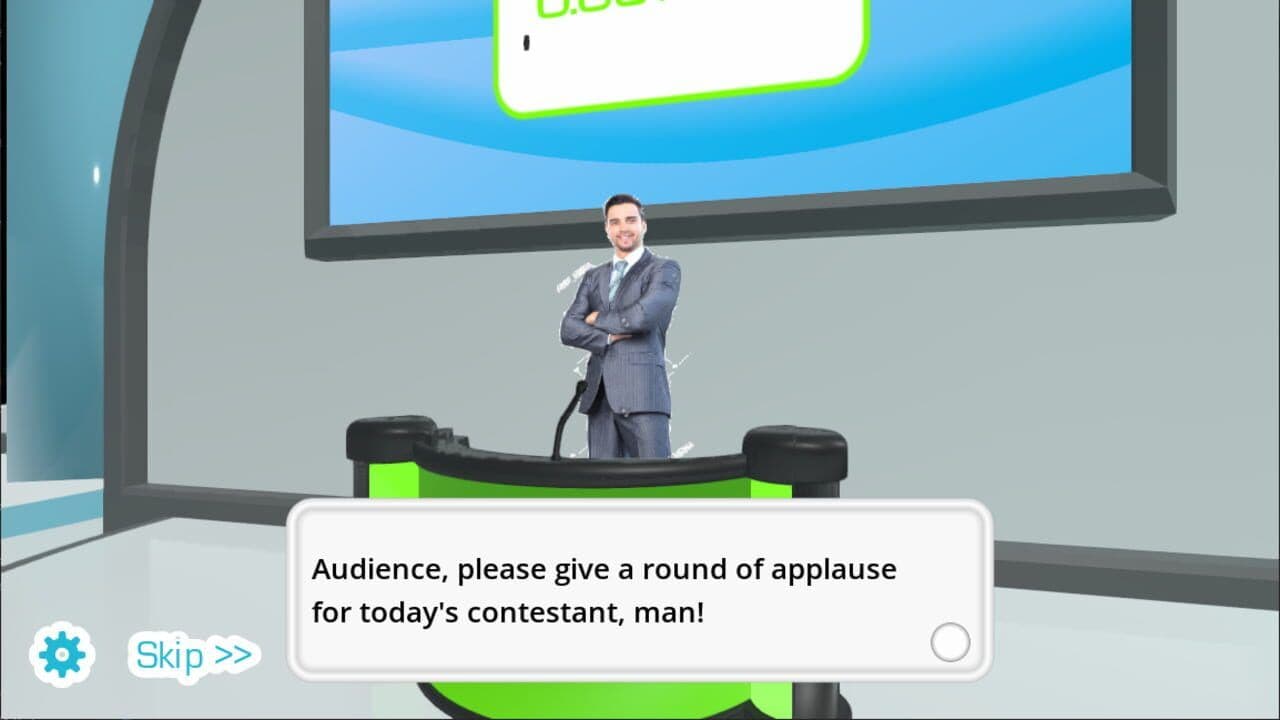
The Choicer Voicer understands that a game show is half competition and half stagecraft. Its most distinctive feature is not a single visual style, but the ability to replace nearly every part of the broadcast: menu aesthetics, studio backdrop, judge panel, host, contestant assets, score images, and even the colors used for recording lights and waveform borders. That flexibility turns a basic microphone challenge into something groups can make feel like their own bizarre television program. A custom judge can change the tone of the same performance, while replacement win-and-loss images can turn a score screen into another punchline. The presentation does not merely decorate the record-and-score loop; it gives players control over the comedic framing surrounding it.
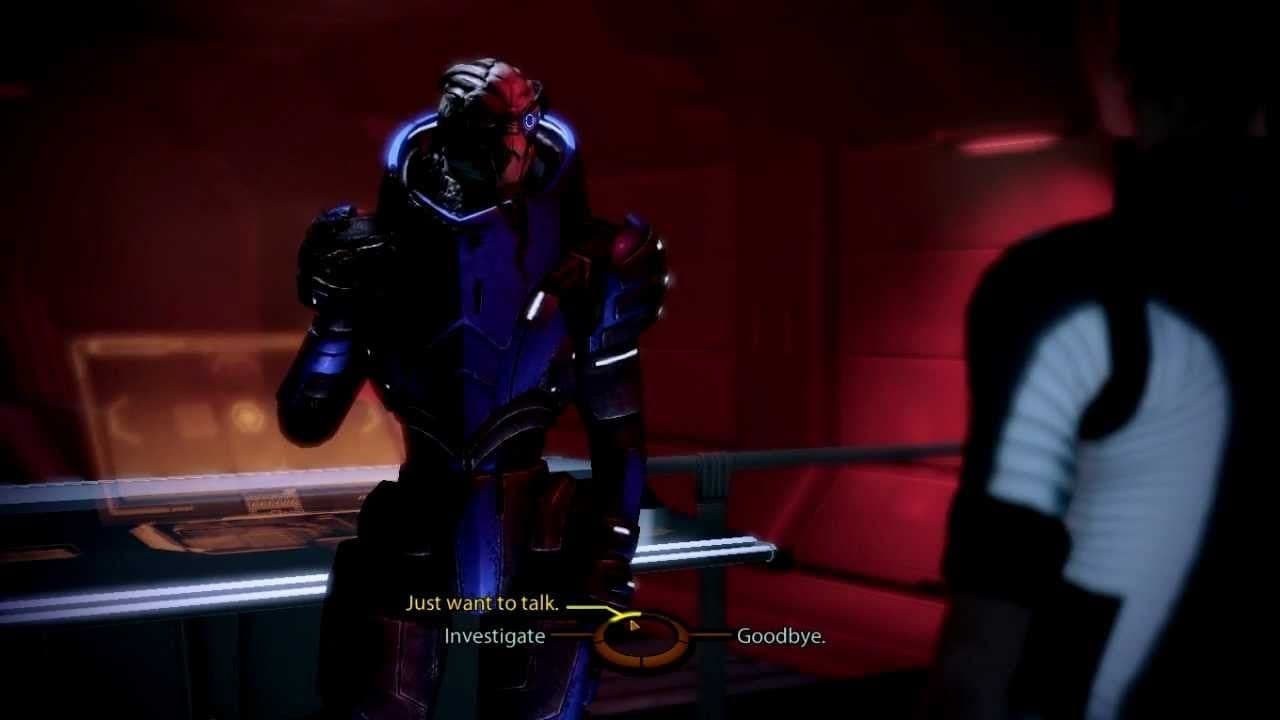
Media coverage focusing on the game's customizable game-show elements.
The customization is unusually deep for a small party game because it is built around shareable packs rather than isolated settings. Studio packs can import custom GLTF or GLB models, with reference files indicating where screens, judges, and contestants are expected to sit; creators can also define colors and preview those changes before committing to a pack. Metadata adds practical structure, allowing clips to carry tags, nested folders to function as tags, and pack creators to assign dub characters and icons when distributing their work. That combination makes a shared pack feel authored rather than dumped into a directory. The best custom content can therefore arrive with its own visual language, organization, and cast—even if the underlying activity remains the same.
The Choicer Voicer lets players redesign the television show around the joke, even when the joke itself is only six seconds of audio.
That identity matters because the game’s visual and musical presentation could easily have felt like generic scaffolding. Instead, the artwork by Kiophen, including the character Shae, gives the studio a recognizable host-and-judge personality, while Studio Jimbly’s GLTF import pipeline supports a more ambitious kind of player-made set design than a simple texture swap. AzureOtsu’s deliberately 2000s-inspired music completes the illusion: the score gives the menus and studio the bright, slightly synthetic energy of a forgotten television tie-in or an overproduced web show. These elements are modest individually, but together they provide the small project with an artistic point of view. The game feels intentionally tacky and playful, not merely unfinished in every direction.
However, the alpha label remains visible in the seams. Version 0.4.13 acknowledged a particularly telling limitation in its treatment of transparent images: on the studio’s main screen, transparent pixels could be replaced with light black, while disabled transparency also meant judges lacked reflections on surrounding surfaces. That is not a catastrophic flaw in a comedy party game, but it directly undermines the presentation system’s promise. A creator can design a character or studio asset with a specific visual effect in mind, only to see dark replacement pixels flatten the result or remove a reflection that should sell the set. The consequence is less a single ugly screen than a persistent reminder that customization is running ahead of the rendering pipeline.
The Choicer Voicer also has no conventional narrative scope to speak of. There is no campaign, character arc, lore structure, or scripted relationship for the host and judges to develop; Shae and the other presentation figures exist primarily as customizable comedic framing devices. That is the correct choice for a game built around short party rounds, because a story would add ceremony without strengthening the impression mechanic. Yet it also limits the emotional range of the presentation. Changing the host can alter the flavor of a show, but it does not create a character players become invested in, and swapping judges changes the reaction surface rather than advancing a narrative.
This is where the distinction between customization and substance becomes important. The game lets players change an impressive amount of what surrounds a performance, but those changes rarely expand what a player can do during one: the central action remains selecting a clip, recording an impression, and receiving a judgment. A new studio model can make the room feel fresh; a new judge pack can reframe the punchline; a revised menu can make the whole package feel bespoke. None of them, by themselves, introduces a new strategic layer or transforms the vocal challenge. The shell is unusually expressive, but it is still a shell—and The Choicer Voicer’s presentation succeeds because it makes that limitation entertaining rather than because it hides it.
That balance defines the game’s artistic achievement. The Choicer Voicer has more personality than its sparse framework initially suggests, thanks to its 2000s-inspired music, memorable artwork, and creator-friendly studio tools, while its asset roughness exposes the cost of building such an open system in early access. The presentation makes every group’s version of the show feel personal, but it cannot supply the narrative depth or mechanical variety of a conventional party game. As a customizable game-show shell, it is charming and remarkably fertile; as a complete audiovisual identity independent of player-made material, it remains deliberately—and sometimes visibly—unfinished.
Audio and Performance in The Choicer Voicer: A Serious Barrier for Some Players
The Choicer Voicer’s microphone is not a peripheral—it is the game’s controller, scoring instrument, and source of its comedy. That makes the current alpha’s audio reliability more than a technical nuisance: when recording fails, the defining game simply stops existing. Many players report microphones working normally in other applications while producing no input or playback inside The Choicer Voicer, sometimes leaving the central studio mode completely unplayable. A party game can survive an awkward menu or a rough visual asset; it cannot survive silence at the moment someone is supposed to perform.
General game information and content rating details.
The compatibility problems are frustratingly broad rather than confined to one defective device. Reports include Logitech wireless headsets, Blue Yeti microphones, Tonor Q9 units, Shure microphones connected through an Elgato Wave XLR, and Logitech G Pro X hardware. SteelSeries users have identified Sonar, part of the SteelSeries GG software, as a specific source of interference: disabling it resolved microphone, playback, or waveform problems for some players. Other users have needed to close proprietary audio utilities or alter their Windows audio configuration before the game would behave. This makes troubleshooting feel less like configuring a party game and more like debugging an audio workstation, with success depending on a player’s hardware ecosystem rather than a clear in-game diagnosis.
In a microphone-focused game, “works on my computer” is not a sufficient compatibility standard. The microphone has to work here, on the first round, with no audio-engineering ritual beforehand.
The developer attributes many of these failures to limitations in Godot’s microphone and audio support, particularly when surround-sound configurations are involved, rather than to one straightforward bug in The Choicer Voicer’s own code. That explanation is technically plausible, but it does not reduce the impact on players: the game still has to capture a voice, compare it, and play it back. A surround setup that silently breaks recording is especially damaging because the intended audience includes living-room groups and streamers, precisely the players most likely to use headsets, mixers, virtual devices, or complex output routing. The distinction between an engine limitation and a game-side defect matters for assigning responsibility; it does not matter when a friend’s turn produces a blank waveform.
The audio problems extend beyond microphone detection. Players have reported extra silence being added to WAV files, which can introduce background noise and result in zero scores; waveform playback ending before the source audio finishes, including reports on native Windows and through Proton on Linux; and scoreblips failing during rounds when the studio expected WAV files but received MP3s. An earlier build also clipped the beginning of the first recording after every launch, reliably enough for the developer to acknowledge it as an unresolved issue. Each bug attacks a different stage of the same promise—capture, playback, comparison, or feedback—and together they make a bad score difficult to interpret. Was the impression poor, or did the file gain silence, lose its ending, or fail to play through the expected format?
Some workarounds can restore the experience, but they underline how unfinished the onboarding remains. Affected players have routed the game’s audio output to an unused device, created an OBS audio source from that route, and used OBS monitoring to hear their microphone input. That workaround is clever and reportedly effective for some setups, yet asking a party-game buyer to configure virtual audio routing and external monitoring software is an unacceptable burden for a title whose entire premise depends on pressing record. The free No Gameplay Demo is therefore essential rather than merely generous: it lets players test microphone capture before purchasing, and potentially avoid discovering after payment that their setup cannot access the main mode. It is good damage control, but it is also an admission that the game cannot currently guarantee its most basic interaction.
Platform support adds another layer of uncertainty. The Choicer Voicer targets Windows and Linux, with English-only content and primarily mouse-driven menus, but Linux users have encountered playback discrepancies both on native systems and when running the Windows version through Proton. The developer has been candid about the tentative nature of Linux support, which is preferable to pretending the builds are equally tested, yet buyers still need to treat compatibility as a personal experiment. The free test build is the correct recommendation, especially for anyone using surround audio, USB mixers, proprietary headset software, or Proton. Until microphone capture is dependable across those common configurations, The Choicer Voicer remains technically compelling in theory and dangerously fragile in practice: its funniest performance is always one failed input device away from becoming an empty waveform.
Value and Updates in The Choicer Voicer: An Active Alpha, Not a Finished Party Game
The Choicer Voicer asks for only $5 or more, but its value depends almost entirely on whether you see a finished party game or a toolkit with a game attached. Its itch.io reception—approximately 4.8 out of 5 from 57 to 62 ratings—is remarkably strong for an early access alpha with known microphone and compatibility problems. That enthusiasm makes sense for streamers, content creators, and friend groups willing to download or assemble their own packs: the low entry price buys a flexible stage where a few minutes of preparation can produce a show tailored to a group’s exact sense of humor. For a conventional buyer expecting a substantial library of ready-to-play clips, however, the same $5 can feel less like a bargain and more like an admission fee for unfinished potential.
Metadata regarding the game's current platform availability.
At five dollars, The Choicer Voicer is excellent value for people who want to build a show—and poor value for anyone who simply wants to turn one on.
The distinction is practical, not philosophical. A streamer with Twitch integration, a community pack, and an audience can turn the game’s sparse foundation into an endlessly renewable format, while a local group with a downloaded meme pack can get far more mileage than the base installation suggests. The folder-based content system keeps that expansion unusually cheap and accessible, since players can add clips without coding or a dedicated editor. But the game does not compensate buyers who lack that preparation with a generous built-in library; launching it without suitable material still leads to the same empty-studio problem discussed earlier. The Choicer Voicer’s price is therefore fair for a creative framework, but not automatically generous for a self-contained party package.
An Alpha That Keeps Moving
The development history gives the purchase more weight than the current content count alone would suggest. Updates moved from the rougher 0.4 era—including the 0.4.13 pack-structure overhaul, transparency workaround, audio-slider changes, and the 0.4.14 fixes and hotfix—toward the more ambitious 0.5.0 and 0.5.1 builds. Version 0.5.0 added clip tags and filtering, live studio-pack color previews, GLB reference files for custom layouts, dub packs, Freestyle Dub Mode, replayable dubs, and Twitch Chatter packs that let viewers trigger audio through keywords. These are not cosmetic patches: they make large content libraries easier to navigate, give creators more control over presentation, and extend streaming from passive voting into active audience participation. The game is visibly becoming a better framework even when it is not yet becoming a fuller traditional party game.
That momentum is reinforced by unusually direct developer and community involvement. Reported problems have led to fixes or investigations involving broken images, host dialogue defaulting to Shae, crashes during naming and saving, scoreblips failing because rounds expected WAV files, and waveform behavior that could cut off audio or add unwanted silence. Players have not merely filed complaints; they have shared troubleshooting discoveries, identified conflicts such as SteelSeries Sonar, and circulated substantial projects including a Valve pack that grew beyond 1,600 voice lines. An unofficial Discord also emerged for content sharing, discussion, and multiplayer nights, giving the game a social infrastructure that its own distribution page does not provide. This is the moment The Choicer Voicer earns some trust as an active project: its rough edges are documented, but they are being met by an engaged developer and a community willing to test, explain, and build.
Still, responsiveness should not be confused with completion. The update record shows a project steadily adding authoring tools and repairing foundations, not one that has crossed into a polished post-launch state. Even the move to version 0.5.0 is more significant for creators than for a player asking, “What can I play tonight without downloading anything else?” The development direction is promising because each feature strengthens the framework’s long-term potential; the immediate value remains limited because most of that potential still requires outside material and initiative. For early-access supporters, that is a persuasive reason to buy in. For everyone else, it is a reason to wait.
The Missing Party Features
The platform and multiplayer gaps matter because they narrow the audience that can reliably use that framework. The local studio supports one to four players, but there is no online multiplayer, and requests for multiplayer Dub Mode remain unfulfilled. That means friends who do not share a room cannot simply join the same judged session through the game, while creators who want to collaborate on scene dubbing must rely on external calls or recordings rather than an integrated mode. Twitch integration partly fills the social gap by allowing chat to vote and trigger audio, but it serves streamers—not ordinary groups looking for a straightforward online party night.
Distribution also remains less convenient than the concept deserves. The game is available on Windows and Linux through itch.io, while a Steam release remains a community request rather than an available option. That matters beyond storefront preference: Steam would make discovery, purchasing, and community content management easier for the audience already asking for those features. Linux support has also carried an understandable but real caveat, since the developer initially lacked representative hardware and could not confidently confirm that the Linux build behaved like the Windows version. Players using Linux or Proton have additionally reported audio playback discrepancies, so the platform offering is more accurately described as available with qualifications than uniformly supported.
This makes the free No Gameplay Demo one of the game’s most important value features. It lets prospective buyers test microphone compatibility before spending the minimum price, which is essential when the defining interaction can fail because of audio hardware, surround configurations, or third-party software. The demo cannot solve the lack of online multiplayer or built-in content, but it prevents one particularly bad purchase: paying for a vocal-performance game only to discover that the recording loop does not work on your system. A sensible buyer should treat that test as part of the purchase process, not an optional extra.
The Choicer Voicer is therefore a compelling $5 experiment, not a finished party-game recommendation for everyone. Its active updates, generous creation tools, responsive community, and strong reception justify the price for streamers and inventive groups prepared to supply the material. Its sparse base install, absent online play, unavailable multiplayer Dub Mode, uncertain Linux history, and itch.io-only distribution make the proposition much weaker for players seeking immediate, self-contained entertainment. The project is moving in the right direction—but right now, you are paying to join the construction of the show, not to receive the complete broadcast.
Final Verdict: Is The Choicer Voicer Worth Playing Without a Pack?
The Choicer Voicer is a terrific party-game idea trapped inside a framework that still expects its audience to do too much work. When the microphone functions and the right clips are ready, the combination of vocal imitation, waveform playback, and judge commentary produces a reliable social-comedy loop: someone delivers the performance they imagined, the recording reveals what actually came out, and the panel turns that gap into the punchline. That is a sharper hook than many conventional party minigames because failure is not merely losing—it is hearing a friend’s confidence collapse in real time. The core joke is strong enough to carry a night with the right group.
While not gameplay, the concept of 'voice choice' is central to the game's identity.
The game’s greatest strength is also its clearest statement of purpose: player ownership. Folder-based voice packs let communities add material without coding, while customizable judges, hosts, studios, menus, models, score images, and Twitch tools allow them to shape the entire show around their own humor. A streamer can replace predictable computer judgment with chat voting, then let keyword-triggered Twitch Chatter packs interrupt the broadcast with audience-selected audio. A local group can build a pack around obscure quotes or personal recordings that a traditional Mario Party-style game would never contain. This is more than cosmetic modding; it gives each community control over what counts as funny and how the joke is presented.
The Choicer Voicer is at its best when it feels less like a product you play than a ridiculous television format your friends have produced themselves.
That freedom cannot disguise the game’s fragility. The defining mechanic depends on microphone capture, yet reported failures involving surround-sound configurations, USB and headset hardware, and third-party audio software can prevent some players from recording or hearing playback at all. SteelSeries Sonar has interfered for some users, while others have reported problems with Logitech, Blue Yeti, Tonor, and Shure microphones routed through an Elgato Wave XLR. The impact is absolute: a broken menu is irritating, but a broken microphone removes the performance, the score, and the comedy in one stroke. The free No Gameplay Demo is therefore mandatory preparation rather than a nice extra; test it before buying, especially if your setup uses surround audio, virtual devices, a mixer, or Proton.
The Choicer Voicer is also less complete than established party-game peers such as Mario Party—not because its central idea is weaker, but because almost everything around that idea remains framework-level. The base installation contains limited built-in material, there is no story or progression to give solo play a longer arc, local studio play stops at four players, and online multiplayer is absent. Dub Mode and Twitch integration broaden the possibilities, but they still depend on players supplying scenes, packs, or an audience. Mario Party arrives with a curated catalogue designed to entertain immediately; The Choicer Voicer arrives with a studio, a microphone test, and an invitation to become the content department. That distinction makes it exciting for creators and underwhelming for anyone expecting a plug-and-play party package.
The best audience is consequently narrow but easy to identify. Streamers gain the most from chat voting and viewer-triggered audio; mod-oriented players will appreciate a system where dropping files into folders can create entire themed shows; and friend groups who enjoy assembling meme packs can turn the sparse foundation into a personalized comedy night. Everyone else should approach with caution. If you want to launch a game and find a substantial library of polished minigames waiting for four players, The Choicer Voicer is a poor recommendation—even at five dollars—because the price does not remove the preparation, compatibility checks, or content-building its design demands.
Pros
- A distinctive vocal-performance hook built around imitation, waveform playback, judge reactions, and the comedy of unintended delivery.
- Exceptional player ownership through folder-based voice packs and customizable judges, hosts, studios, menus, models, and Twitch interactions.
- Short rounds that work naturally for local groups, with Dub Mode providing a low-pressure alternative to scored performances.
- A flexible framework that can become remarkably personal when a community supplies its own clips and presentation.
Cons
- Microphone failures tied to hardware, surround audio, and third-party software can make the defining mechanic inaccessible.
- The black-box scoring system can make poor results difficult to interpret, particularly when audio capture or playback is unreliable.
- Limited built-in content, no story or progression, a four-player local cap, and no online multiplayer leave it far behind content-rich party games.
- Its strongest modes require preparation, downloaded packs, custom assets, or a Twitch audience.
The verdict is conditional but clear: The Choicer Voicer is worth playing at the $5 minimum if you are willing to test the No Gameplay Demo and bring the content yourself. It offers more customization than Mario Party and far less authored content or polish, trading a ready-made party catalogue for an unusually open creative toolkit. Buy it for the possibility of building your own show, not for the promise of a complete one. For streamers, modders, and inventive friend groups, that possibility is already funny enough to justify the price; for everyone else, wait until the microphone reliability and built-in content catch up with the idea.