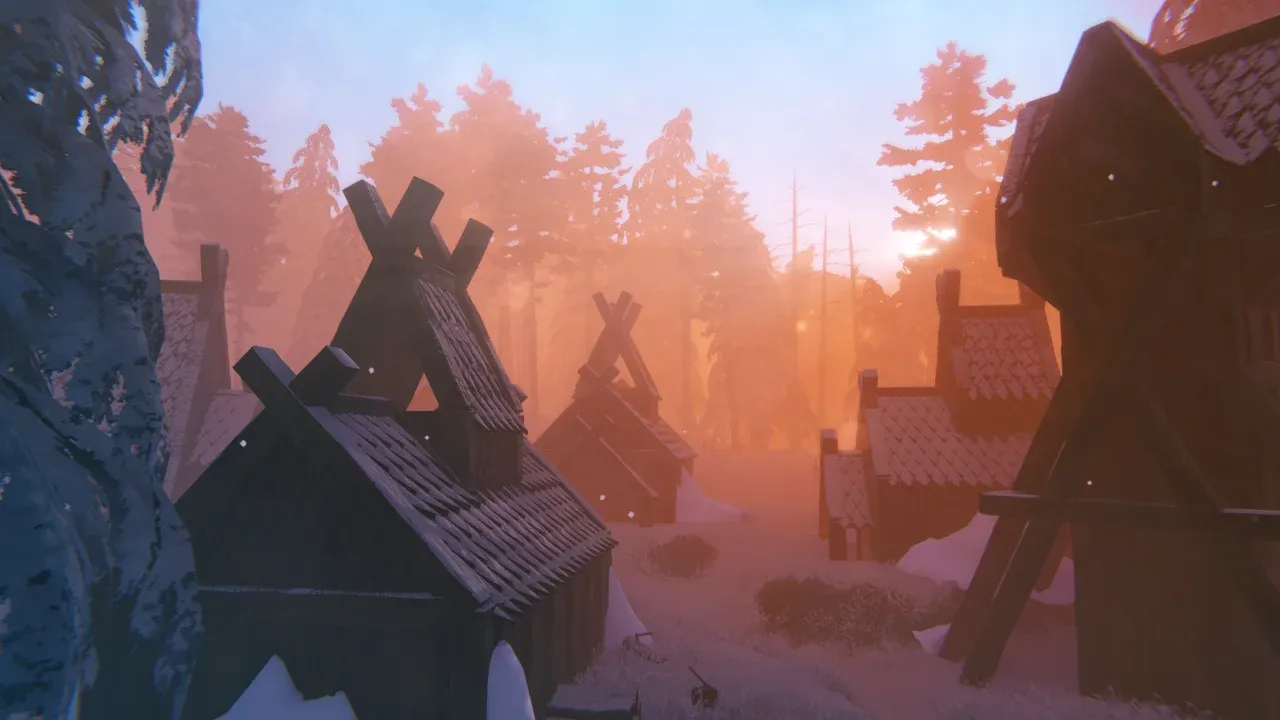
Valheim has always kept you out physically. The Ashlands sit behind an ocean that boils wooden hulls apart, so you do not arrive without a Drakkar. Sunken Crypts stay locked until The Elder gives up his key. The Mountains turn you back with freezing damage until you carry something warm. Those are walls, and a wall is a kindness: it stops you before anything kills you.
The Deep North has no wall. Iron Gate has built the final biome with no environmental barrier at its edge — no boiling water, nothing that turns a ship away at the shore. There is still a lock, but it is on the way out rather than the way in: you cannot progress through the biome until Fader, the Ashlands boss, is dead. The distinction matters, because it means the game will happily let an underprepared Viking land, explore, and die, and will not stop them at any point in that sequence.
So the preparation that other biomes forced on you is now entirely yours to remember. Most of it you can still do in the weeks before 1.0 lands on 9 September 2026. Exactly one piece of it is running out right now, every time you sail north to have a look.
The Ground You Have Already Walked Is Spent
Valheim generates terrain the first time a chunk loads and never regenerates it. Iron Gate's official 1.0 FAQ is explicit about what that means for an existing save: your world will receive the new content, "although biome generation will only work properly on areas that have not yet been explored."
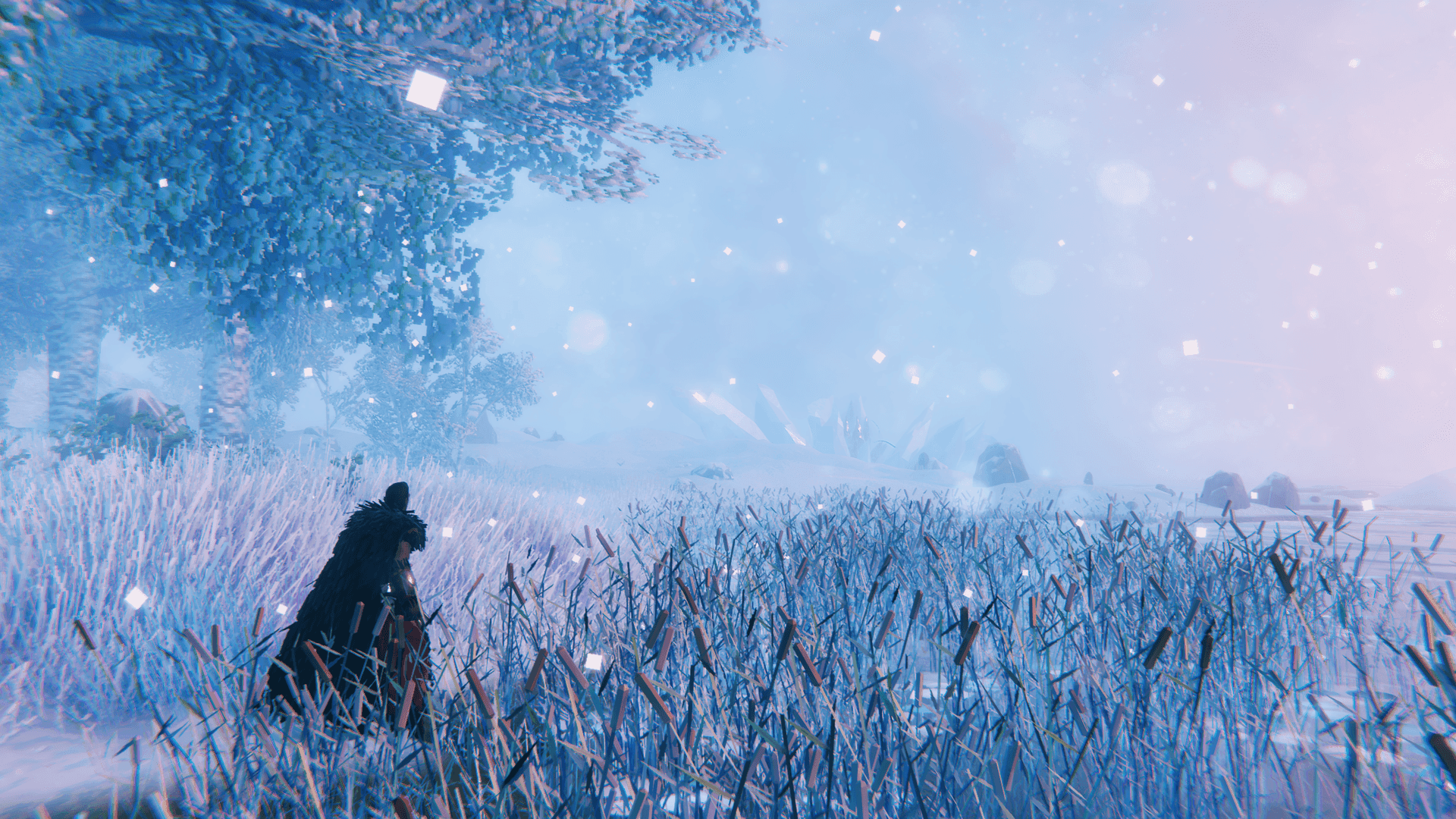
Valheim 1.0 also freezes biomes you already know — but only where the map has not been generated yet.
Read that as a deadline, not a disclaimer. Every trip you take across the northern ocean between now and launch permanently converts future Deep North into the placeholder that stands there today — and the placeholder is genuinely empty. The current biome is the northernmost band of the map, barren of life and resources apart from the occasional mound of rock and a Northern salmon in the shallows, with sheets of ice drifting along its shore that will wreck a ship trying to dock.
The threshold is wider than "did I set foot there." When Frost Caves were added to existing worlds, Iron Gate put it at about 500 metres: ground nobody had come within that distance of still counted as unexplored, which is why hunting them down in an old save became an exercise in reconstructing your crew's travel history. The same arithmetic applies here, and it applies to everyone who has ever logged into your server, not just you.
Iron Gate's own recommendation is blunter than any of this. Asked in the same FAQ whether a new world is needed, the answer is that old saves keep working but "we always recommend that you start the game over from scratch to get the best possible experience." There is a supporting reason beyond the Deep North itself: 1.0 also adds alternative forms of familiar biomes further from the world centre — a rocky birch Meadows, a deforested Black Forest, a blood Swamp — and whether those reach the unexplored parts of an existing world has not been confirmed. A save you keep may get the new biome and none of the new variety.
Decide which world you are taking into 1.0 now, while the decision is still yours to make.
Frost Resistance Is One Slot, and Water Deletes It
The cold here is not a difficulty slider. It is two status effects with fixed numbers. Cold costs you 50% of your health regeneration and 25% of your stamina regeneration. Freezing costs you all health regeneration, 60% of stamina regeneration, and ticks a flat point of damage every second. Getting under a roof does not clear Freezing — it downgrades it to Cold, which is survival, not comfort.
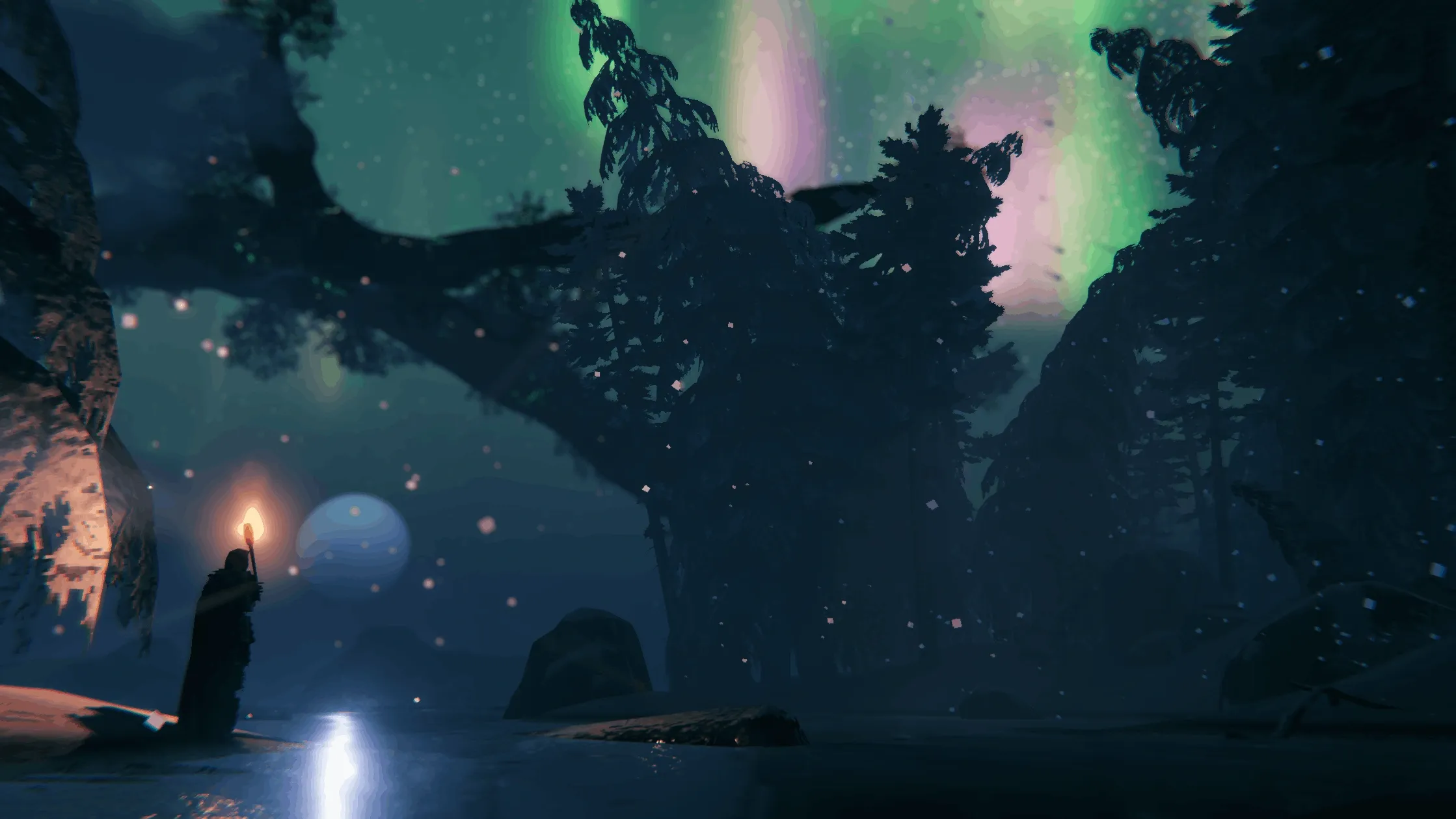
The shore is where frost resistance fails: get Wet and every source of it switches off for two minutes.
Resistance is binary and it does not stack. Any one of these is the whole solution, and a second one is dead weight in your pack:
- Frost resistance mead
- The Fenris coat
- The wolf armour chest, the wolf fur cape or the lox cape
- The feather cape, the Asksvin cloak or the Ashen cape
- Simply standing near a fire
Every one of them switches off the moment you are Wet.
That is the sentence to build a packing list around, because the Deep North is a coastline of ice sheets and open water. Wet runs for 120 seconds, and the timer does not start counting down while you are in rain or standing above the waist in water — it resets to a full two minutes each time you are splashed again. It costs another 25% of your health regeneration on its own, it makes you Weak versus Frost so incoming frost damage lands harder, and it locks you out of the Rested bonus and out of beds entirely while it is on you.
Put together, one bad step off an ice sheet buys you two minutes of no healing, steady damage, crippled stamina and amplified frost — in a biome whose current build already spawns snowstorms that deal continuous freezing damage. That is the death, and no amount of armour tier prevents it.
The counter is fire, and it is faster than most players assume. A fire burns 10 seconds off the Wet timer for every second you stand near it, so a full soaking clears in about twelve seconds at a campfire — but only once you are genuinely out of the water and out of the rain, because the timer does not move while you are still in either. Wood and stone for a campfire are the cheapest insurance in Valheim, and in the Deep North they outrank another stack of arrows.
The Snow Is Free. The Ice Is Not.
Iron Gate made a deliberate call on the snow: it is deep, it comes up around you, and it does not slow you down at all, because the studio did not think a movement penalty would be fun. Crossing the open biome costs you nothing that crossing the Meadows does not.
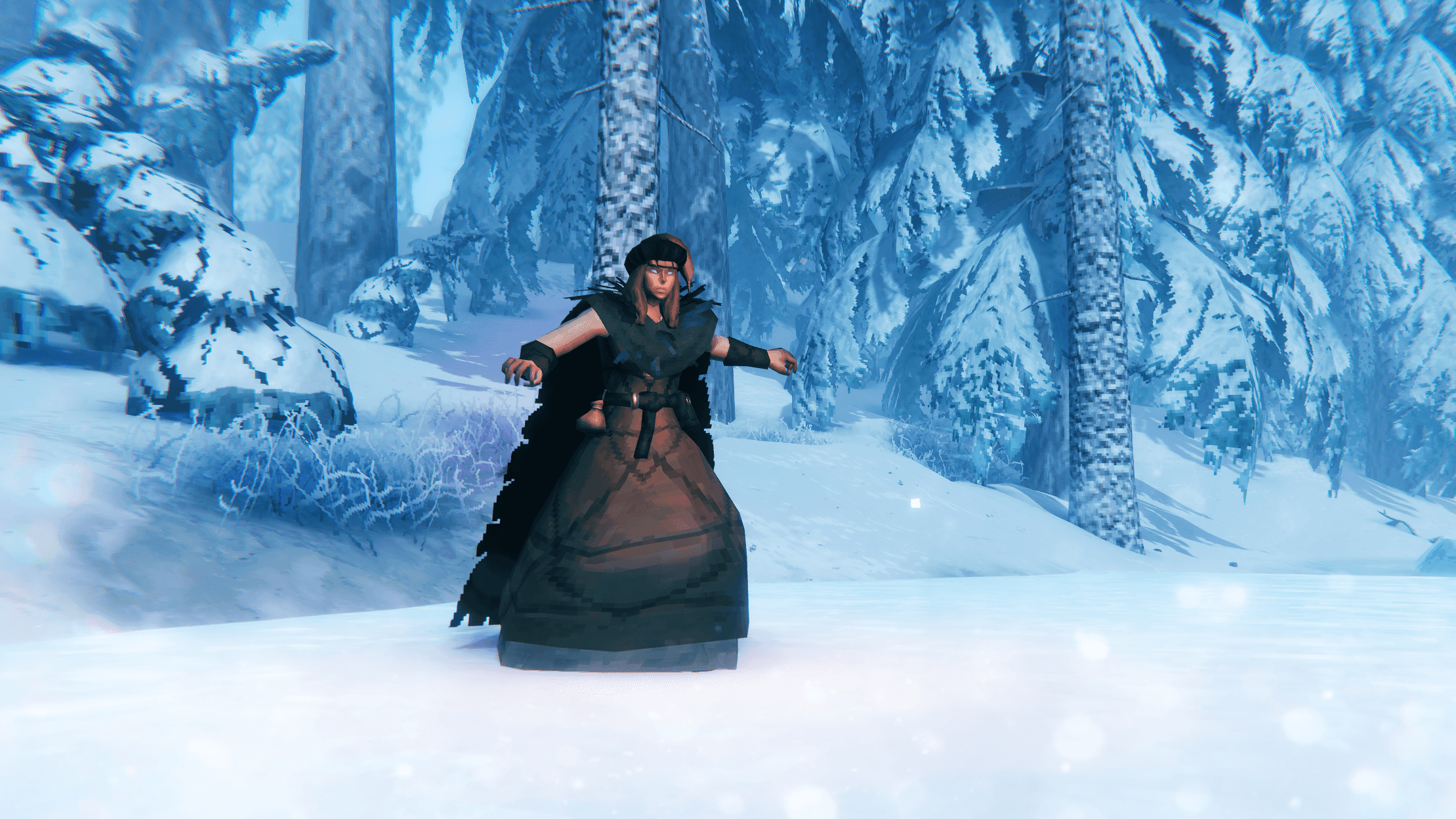
Iron Gate's own teaser for slippery ice: careless vikings stumbling to catch their balance.
Slippery ice is the opposite. Iron Gate's own framing is that "careless vikings might easily find themselves stumbling to catch their balance." PC Gamer's hands-on put it more plainly after an hour in the biome: "Yes, there's ice. And yes, it's very slippery."
Slippery ice reads like a comedy pratfall, and it is not. Valheim's melee is built entirely on trustworthy footing. The parry window assumes you are standing where you meant to stand. The perfect dodge assumes a roll that ends where you aimed it. Backing out of a swing to let stamina refill assumes that releasing the key stops you moving. Slippery ground makes every one of those approximate, against enemies that hit far harder than anything you learned the habits on. The snow costs you nothing; the ice costs you your brakes.
It cuts the other way too, because ice is terrain you can remove. Ember Charges — the throwable explosives the biome hands you — break the ice sheets along the shore, which makes them a way to clear a docking lane and a way to turn the ground someone is standing on into water. Even in the current build you can take a pickaxe to the icebergs and sheets, though they drop nothing for the effort.
Fewer Enemies, Each Far Larger, Which Inverts Your Defences
The Ashlands trained you to handle volume: trenches, chokepoints, walls, siege machines answered with more walls. The Deep North deliberately runs the other way — considerably fewer creatures, considerably bigger — and almost none of that Ashlands instinct transfers.
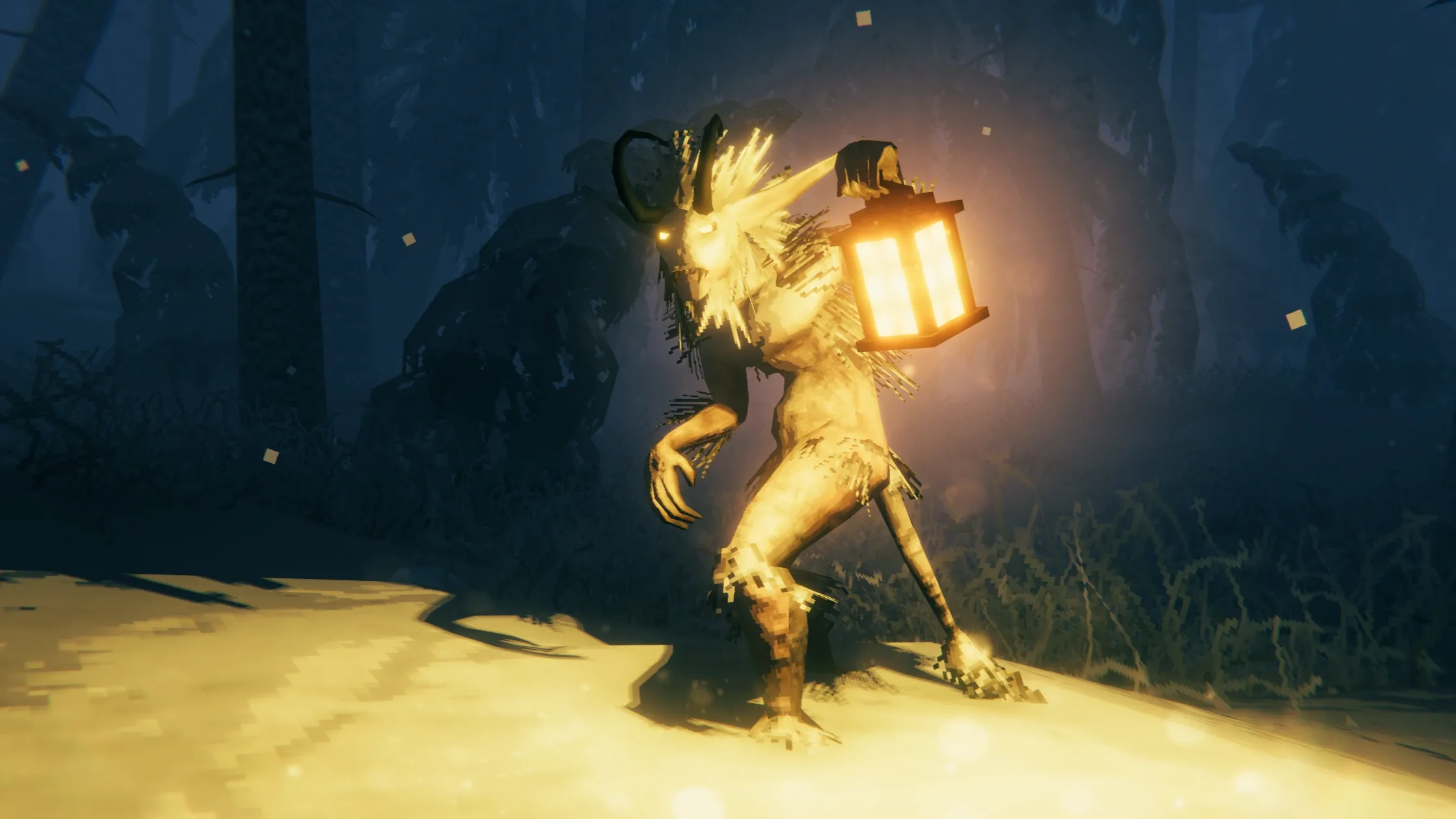
Elaking roam above ground after dark as well as through the Winding Tunnels below.
The Gammeltrolls are the clearest statement of it. They are the largest creatures in Valheim and they are not bosses: ancient trolls that drifted north and calcified into something closer to landscape, which throw not one log but a running stream of them. Fortification does nothing against that, because a Gammeltroll does not besiege your walls, it out-ranges them. They are also the biome's living mining node — the Leviathan idea rebuilt as something that fights back. Kill one and it solidifies into a Petrified Gammeltroll, and then you choose: blow it apart with Ember Charges for Petrified Tissue, the raw form of Bloodgold, or leave it standing as a solid structure to build against.
That pattern repeats down the roster. Single huge targets on slippery ground mean burst damage over attrition, and no crowd to break line of sight against when a fight turns. A wild moose is a genuine threat rather than a chip-damage nuisance — the PC Gamer writer on the preview tour survived a Gammeltroll fight and was then killed by a moose that came back for a second pass. Elaking roam above ground after dark as well as through the tunnels below. Barka is a frozen thing built to read as The Elder rendered in ice.
Not all of it is hostile, and the exceptions are worth more than any drop table. Seals gather on the shore and are passive, like Meadows deer. Moose can be tamed and ridden in the manner of a Lox, which is as close to a mount as Valheim intends to get — in a biome this large, that is a logistics upgrade, not a novelty.
Navigate by the villages. The abandoned settlements are the biome's landmark, its shelter and its dungeon mouth all at once: the ghosts of the previous residents wander between the houses with dialogue of their own, though they cannot be spoken to or fought, and those same houses hide the openings into the Winding Tunnels. That dungeon is an interlocking sprawl of narrow corridors the preview group found immediately disorienting, holding the Frostcores, Luminous Larvae and Moulds that Nord-tier weapons need — and it is the reason the Hooded Lantern exists, since you place them behind you to find your way back out. The second dungeon, the Gates of Mörkhalla, sits inside fortress structures and does not open without an Intricate Key.
The Two Things You Cannot Cram
Brewing frost resistance mead takes an afternoon. Choosing your world takes a minute of honesty about where your longship has been. Both of those are still available the week before launch.
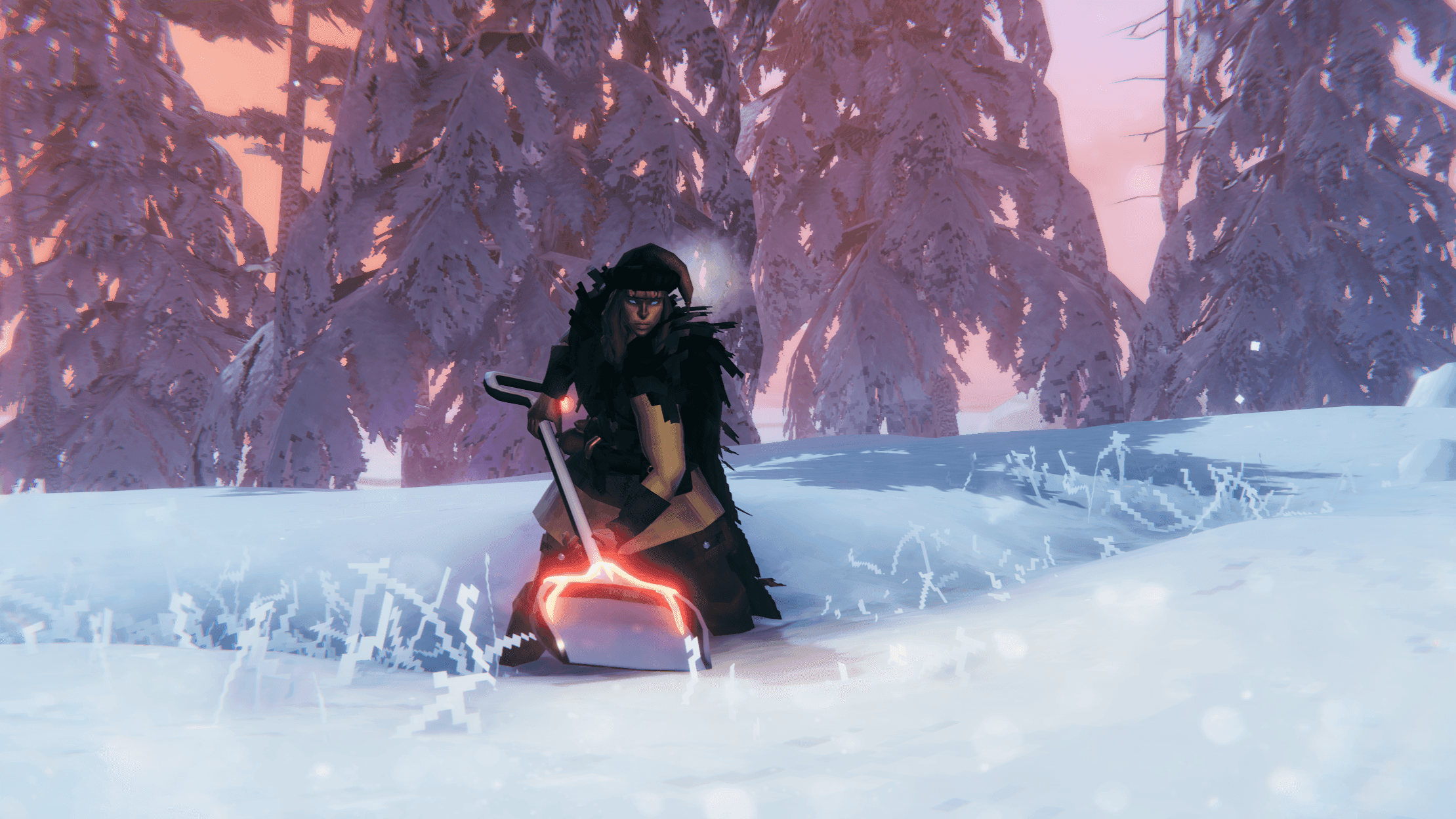
The shovel clears deep snow so you can build — one of the 1.0 tools aimed squarely at settling the Deep North.
Two are not, and they are the argument for playing again in August rather than on launch night.
The first is Fader. The Deep North will let you walk in at any tier — that is the whole point — but the Ashlands boss stands between you and any progress once you are there. A character parked in the Plains can sightsee, die repeatedly, and take nothing home. Clearing the Ashlands is not a weekend's work, and it is the difference between arriving as a resident and arriving as a tourist.
The second is the Mistlands, because that is where the grappling hook unlocks. The preview build describes it as unlimited-use, for scaling walls and swinging across gaps, and it belongs to the 1.0 traversal kit rather than to the Deep North specifically. If your character has never been through the mist, you simply will not have it.
There is no dress rehearsal for any of this. Iron Gate was asked directly whether 1.0 would get a public test branch and the answer was flat: "No. We want everyone to get to experience 1.0 at the same time!" No early build, no leaked meta, no patch notes to read the night before. Whatever you know on 9 September is whatever you carried in, through a door the game was never going to close on you.