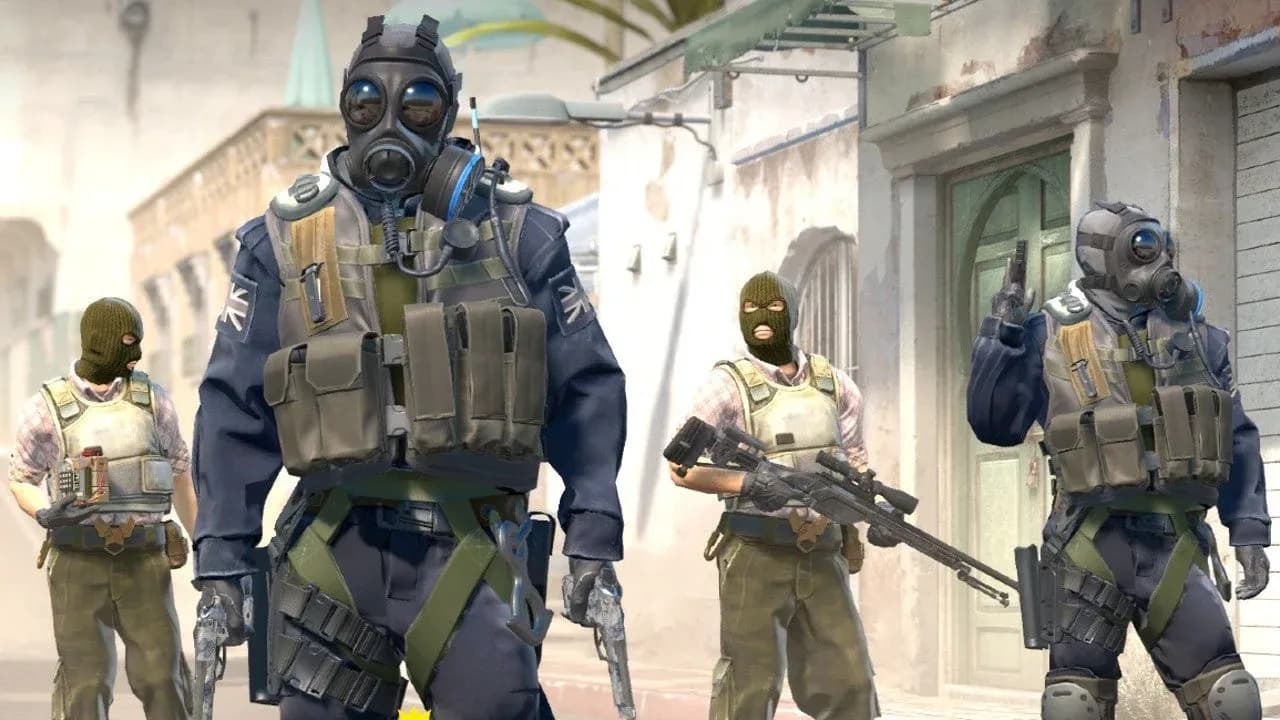
How to Understand Match Structure in Counter-Strike 2
Welcome to Counter-Strike 2, the ultimate tactical shooter where every decision matters. Before you dive into your first match, understanding the core structure is key—it’s the foundation that separates chaotic shooting from calculated strategy. Let’s break down exactly how a CS2 match works so you can step into the server with confidence.
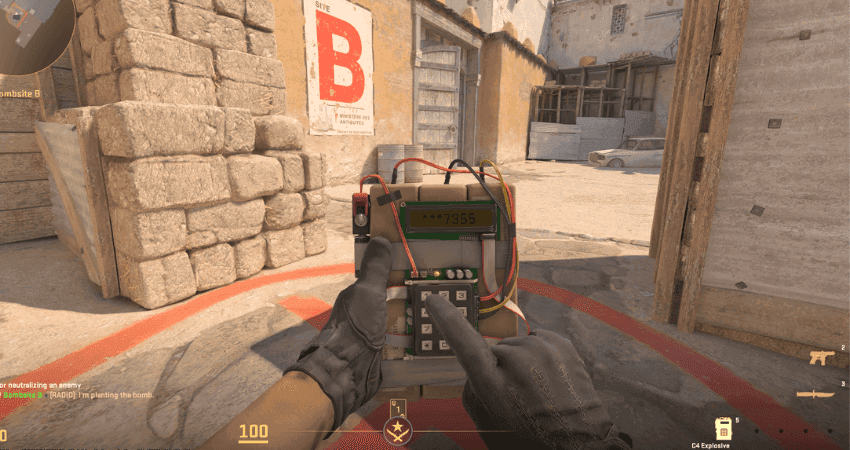
Understanding how rounds are won in Counter-Strike 2.
At its heart, Counter-Strike 2 is a 5v5 competitive format pitting two teams against each other: the Terrorists (T) and the Counter-Terrorists (CT). You’re not just running and gunning; you’re playing an objective-based tactical shooter where planting a bomb or defending a site requires teamwork, communication, and smart resource management.
The MR12 Match Flow
A standard match operates on the MR12 system. This means each half of the game consists of 12 rounds. To win the match, your team needs to be the first to win 13 rounds. After the first 12 rounds, the teams swap sides—if you started as Terrorists, you’ll now play as Counter-Terrorists, and vice versa. This switch ensures the competition tests your skill on both offense and defense.
Use the halftime swap to regroup with your team. Discuss what strategies worked, what didn’t, and adjust your plan for the second half.
The Rhythm of a Round
Every round follows a strict, tense cadence. It begins with a 15-second Freeze Time. This is your crucial prep window—you can’t move, but you can press [B] to open the buy menu and purchase weapons, armor, and utility. Use this time wisely; coordinating your buys with your team is the first step toward winning the round.
Once the freeze ends, the action begins. You have 1 minute and 55 seconds to complete your objective (plant the bomb, defuse it, or eliminate the enemy team). If the clock runs out before the Terrorists plant the bomb, the Counter-Terrorists win by default.
What Happens in a Tie?
Matches can be incredibly close. If the score is tied 12:12 at the end of regulation, the match goes into Overtime. This kicks off a series of additional rounds (with its own economy reset) to determine a clear winner. In some Competitive modes, a 12:12 tie might simply be recorded as a draw, but in high-stakes Premier matches, overtime is where legends are made.
If you’ve ever felt overwhelmed jumping into a new game, you’re not alone—the structure of Counter-Strike 2 can feel complex at first. But by mastering these fundamentals—the 5v5 format, the MR12 round flow, and the rhythm of freeze time—you’re already thinking like a strategist, not just a shooter. You’re ready to understand what each team is fighting for. Let’s go.
Terrorist and Counter-Terrorist Objectives in CS2
Now that you understand Counter-Strike 2's match flow, it's time to get tactical. Every round is a battle of wits between two teams with opposing goals, and knowing exactly how to win is your first step toward victory.
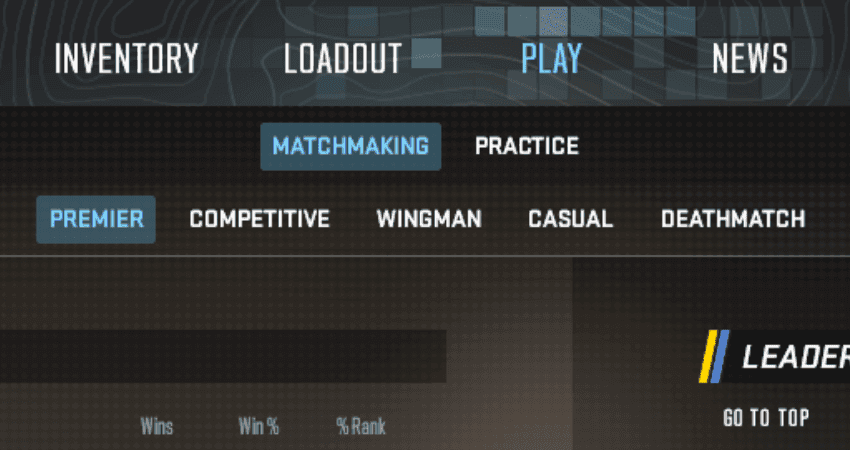
CS2 game modes and objectives
In Counter-Strike 2's primary mode, the action unfolds on Bomb Defusal Maps like Mirage, Dust II, Inferno, Ancient, Anubis, Nuke, Train, and Vertigo. Your objective depends entirely on which side you’re playing.
The Terrorist Objective: Create Chaos
Your mission as a Terrorist (T) is straightforward but demanding: get the bomb down. Your team spawns with the C4 explosive, and your goal is to plant it at either the A or B Bombsite. You win the round immediately by eliminating all five Counter-Terrorist (CT) players. If that doesn't happen, you can still secure victory by planting the bomb and protecting it until the 40-second timer counts down to a devastating explosion.
Planting the bomb isn't just a win condition—it forces the CTs to commit to a risky defuse attempt, turning a defensive stalemate into an offensive advantage for you.
The Counter-Terrorist Objective: Maintain Order
Playing as a Counter-Terrorist (CT) means you're the shield. Your primary job is to prevent the bomb plant at all costs. You can do this by eliminating the entire T squad before they can plant, or by defusing the C4 if they manage to get it down. If the one-minute fifty-five-second round timer expires and the bomb hasn't been planted, the CTs win automatically. This is why Ts often feel pressured to make a move, while CTs can play more patiently.
⚠️ Watch out: If you're the last CT alive and hear the bomb ticking, you have a tough choice: go for the heroic defuse and risk being shot, or play for the kill and risk the timer running out. There's no right answer, but communication with your team is key.
The Alternate Battlefield: Hostage Rescue
Not every fight in Counter-Strike 2 is about a bomb. Two maps flip the script: Office and Italy. Here, the Terrorists act as jailers, tasked with guarding the hostages from rescue. The Counter-Terrorists must fight their way in, rescue a hostage, and escort them back to the safety of the starting zone. It's a frantic, close-quarters mode that demands different tactics, with Office available in Competitive play and Italy typically found in Casual mode.
Whether you're planting on A site or rescuing a hostage, remember that every action in Counter-Strike 2 serves these core objectives. Stick to the plan, communicate with your team, and you'll start seeing those round wins stack up.
Best Movement and Shooting Mechanics for Counter-Strike 2
Mastering movement and shooting is where the magic of Counter-Strike 2 happens. This isn't about mindless run-and-gun; it's a precise, rhythmic dance between speed, silence, and lethal accuracy that separates beginners from seasoned players.
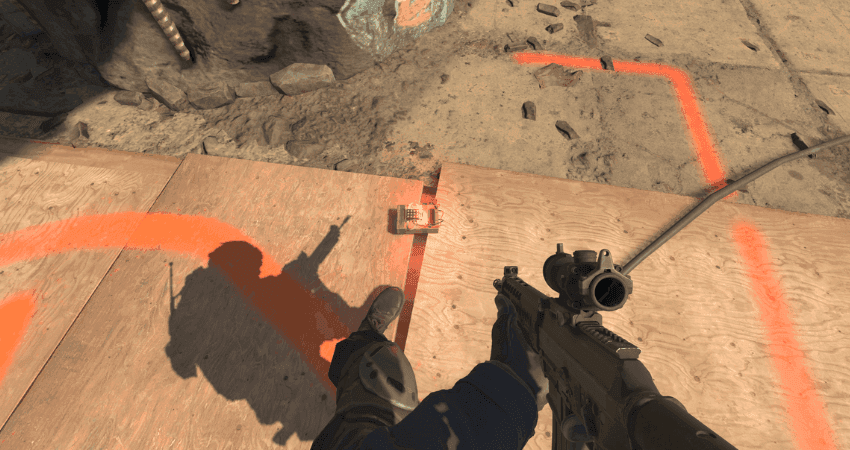
Mastering movement is key to accuracy in Counter-Strike 2.
Think of your crosshair as a divining rod for headshots. The single most important habit you can build is Crosshair Placement. Always keep your crosshair at head height where you expect an enemy to appear, whether that's at the corner of a doorway or over a distant box. This minimizes the tiny, time-consuming flick you need to make for a kill, turning reactions into instant headshots. It feels awkward at first, but once you see it, you can't unsee it.
When it's time to shoot, standing still is non-negotiable. Firing while moving sprays bullets wildly. For accurate shots, come to a complete stop and press [LMB] for short, controlled bursts of 1-3 bullets. This is the foundation of Shooting Accuracy and your first line of defense against the game's punishing recoil. Crouching tightens your bullet spread further, but it also makes you a slower, easier target—use it wisely.
The audio cue of your own footsteps stopping is a dead giveaway. Practice stopping silently to catch peeking enemies off guard.
This brings us to the advanced technique that ties it all together: Counter-Strafing. It’s the secret sauce for fluid, accurate movement. Here’s how it works: if you’re moving right with [D], you release the key and instantly tap [A] to cancel your momentum and stop on a dime. This lets you achieve peak accuracy the moment you stop, letting you take that crisp 1-3 bullet burst before instantly strafing back into cover. It’s the difference between a stationary target and an elusive duelist.
Movement speed is also a tactical resource. Your Movement Speed is directly tied to your equipped weapon. Switching to your Knife gives you a significant run speed boost compared to holding a rifle or even a pistol. Use this to rotate across the map faster when you’re confident no enemy is nearby, but always switch back to a gun before entering a danger zone.
Finally, sound wins rounds. Holding [Shift] activates Stealth Movement, silencing your footsteps entirely. This lets you flank, hold an angle without revealing your presence, or listen for enemies without the noise of your own movement giving you away. In the tense, info-driven world of Counter-Strike 2, sometimes the quietest player is the most dangerous.
Master these five interconnected mechanics—crosshair placement, burst firing, counter-strafing, speed management, and silent movement—and you'll have the physical foundation to outplay opponents. The rest is strategy and teamwork. Let's go.
How to Manage Your Economy in Counter-Strike 2
Here’s the secret to climbing ranks in Counter-Strike 2: winning isn't just about aim—it’s about money. Your team’s bank account is a weapon as powerful as any rifle, and mismanaging it is the fastest way to lose a match you could have won. Let’s break down how to master CS2’s economy, from the essential buys to the critical team-wide decisions that decide rounds before the first shot is fired.
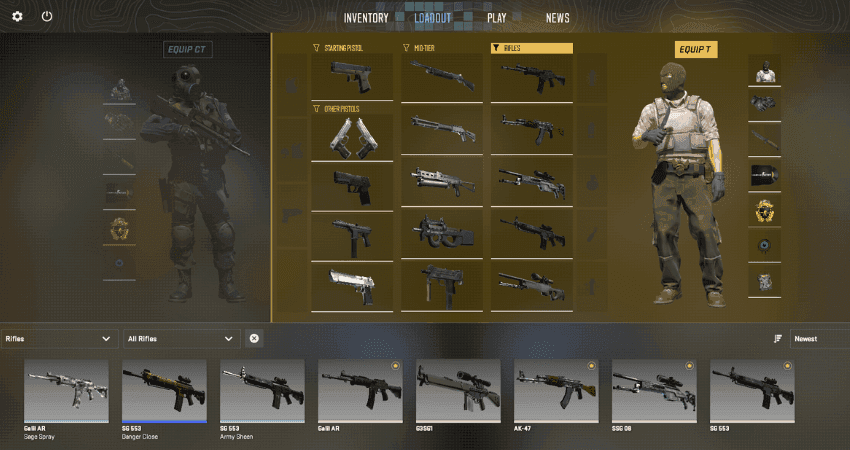
The CS2 economy system rewards players based on round performance.
At the start of every round, you have 15 seconds of freeze time to spend your cash. This is where strategy begins. Your most critical purchase every single round is Kevlar + Helmet. This isn't optional; it protects you from aim punch (flinch when shot) and, crucially, prevents a one-shot kill from common pistols and SMGs to the head. Without it, you're at a massive disadvantage. For CTs, a Defusal Kit is almost as vital. It halves the bomb defusal time from 10 seconds to 5 seconds, giving you a fighting chance in hectic post-plant situations. Buy it early and often.
If you can't afford both a primary weapon and Kevlar + Helmet, prioritize the armor. A pistol with armor is often more effective than a rifle without it.
Now, the real strategy comes from coordinating with your team. Your economy isn't just personal; it's shared. If four of you can afford rifles but one teammate is broke, you're not at full strength. This is where the concepts of Eco and Force Buy come in.
An Eco Round (short for "economy round") is when your team collectively decides to save money. You buy nothing, or perhaps just a pistol, to preserve your cash so you can afford a full loadout (rifles, armor, and utility) in the following round. It’s a strategic loss now for a stronger win later. Don't panic-buy a submachine gun (SMG) here; the goal is to bank cash.
A Force Buy is the opposite—a desperate gamble. This happens when your team is low on funds (often after losing several rounds) but you decide you must contest the current round to stop the enemy's momentum. You buy whatever you can afford, typically SMGs, shotguns, or upgraded pistols, and hope to outplay better-equipped opponents. It's high-risk, but sometimes necessary.
⚠️ Watch out: The buy menu is your friend. If you misclick and purchase the wrong item, you can sell it back for a full refund during the freeze time. Don't be stuck with a weapon you hate.
Managing your Counter-Strike 2 economy means thinking several rounds ahead. Did you win the pistol round? Invest in SMGs and armor to capitalize on the enemy's weak buy. Did you lose it? Consider a second-round Eco to set up a powerful third-round buy. Communicate with your team using the in-game voice chat or radio commands ("Buy" / "Don't buy"). A team that buys together wins together.
Master this cycle of save, spend, and strategize, and you'll find yourself winning rounds through financial pressure as much as firepower. Let's go make some money.
Best Beginner Weapons and Utility in Counter-Strike 2
Your loadout is your lifeline in Counter-Strike 2. While raw aim is king, choosing the right weapons and learning your utility is what separates a chaotic spray-and-pray from a calculated, round-winning play. This is where you build your foundation.
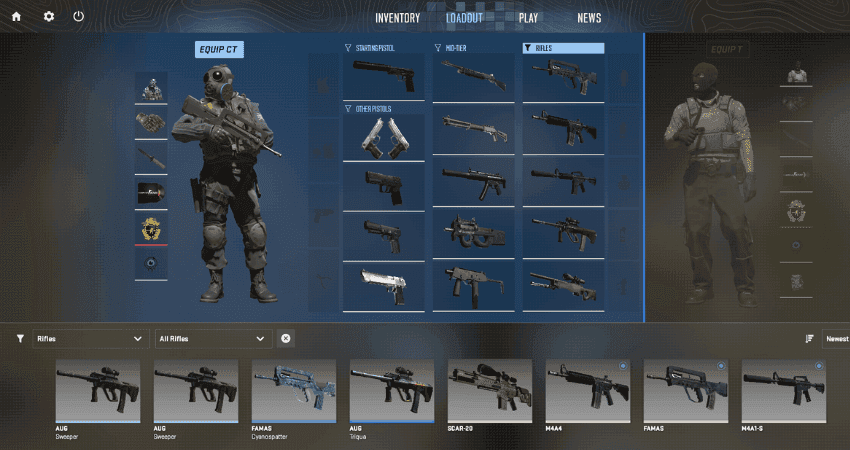
Counter-Strike 2 weapon selection overview.
Let’s break down the essential gear you’ll be buying round after round, starting with the core rifles that define the meta.
Core Rifles for Beginners
For Terrorists, the AK-47 is your weapon of choice. It’s the gold standard for a reason: it’s a one-tap headshot machine against unarmored opponents, and its raw damage can shred through enemies. The catch? Its recoil pattern is fierce, kicking upwards and then sharply to the right. Don’t just hold down the trigger from range. Trust me, you’ll want to master short, controlled bursts of 1-3 bullets for reliable kills.
The AK-47’s spray pattern is a “7” shape. Practice pulling down and then left to keep your bullets on target in close-quarters panic sprays.
On the CT side, you have two excellent options: the M4A1-S and the M4A4. Both are accurate, reliable lasers perfect for holding angles and defending sites. The M4A1-S has a built-in silencer, less recoil, and a tighter spray, making it forgiving for new players. The M4A4 fires slightly faster and has a larger magazine. You can’t go wrong with either—pick the one that feels best in your hands after some practice.
The Power of the AWP
Then there’s the AWP. This legendary sniper rifle is a game-changer, capable of a one-shot kill to the body at almost any range. Its high cost and slow movement speed make it a high-risk, high-reward purchase. It demands impeccable positioning and precision. If you miss your first shot, you’re often a sitting duck. Don’t buy it on a weak economy; save it for when your team can afford to invest in your firepower.
Your Utility Toolkit
Weapons win duels, but utility wins rounds. Your grenades are just as important as your rifle.
A Smoke Grenade creates a large, opaque cloud that completely blocks vision. Use it to cut a bombsite in half, block a dangerous sniper sightline like Mid on Dust II, or create a safe path for your team to cross. It’s your primary tool for controlling space.
A Flashbang is your entry tool. It temporarily blinds any enemy looking in its direction when it explodes. The trick most guides miss? Throw it so it pops around a corner, not in plain sight where enemies can easily turn away. A well-timed flash lets you swing into a site and catch defenders completely vulnerable.
⚠️ Watch out: You can flash yourself and your teammates! Communicate your throws or use a wall to bounce the flash safely.
With these weapons in your arsenal and a basic grasp of smokes and flashes, you’re no longer just running and gunning—you’re playing Counter-Strike 2 strategically. Combine this knowledge with the economy management from the last section, and you’re ready to make impactful buys every round.
How to Practice and Improve in CS2 Workshop Maps
You've learned the fundamentals of Counter-Strike 2, from match structure to economy. Now comes the part that separates casual players from consistent performers: deliberate practice. Your in-game skills are forged in the Workshop.
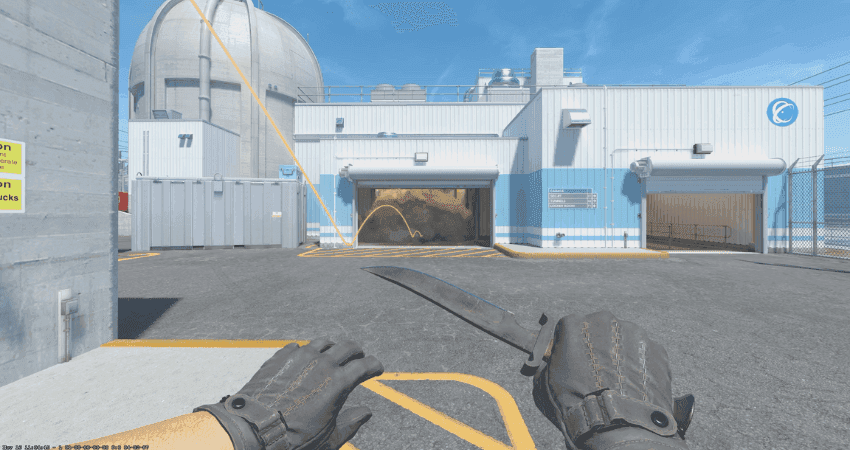
Learning map layouts is a core part of CS2 training.
Think of the Workshop as your personal training ground. Access it through the Play menu, then subscribe to community-made maps that isolate specific skills. A 10-15 minute warm-up here before jumping into matches isn't just a good habit—it's a necessity for sharpening your mechanics. Trust me, your first few rounds will feel dramatically different.
Start with the essentials. Load up Aim Botz, a classic workshop map filled with stationary and moving bots. This is your go-to for raw aim practice: flicking to heads, tracking strafing targets, and building muscle memory. Spend a few minutes here just clicking heads to get your hand-eye coordination firing.
In Aim Botz, use the console commands to randomize bot movement and height. This prevents you from memorizing patterns and forces genuine reaction practice.
Next, tackle the most mechanical skill in CS2: recoil control. Head to Recoil Master. This map visualizes spray patterns with a floating "ghost-hair" that shows you the exact path your bullets will take. Follow it to learn the distinct patterns for the AK-47 and M4 rifles. This is where you practice turning a wild spray into a controlled, lethal beam of bullets. Don't get discouraged if it feels awkward at first—this tight spray window is tough, but once you nail it, you'll feel unstoppable.
Then, bring your skills into a more realistic context with Yprac Arena. This versatile map lets you practice pre-aiming common angles on real competitive maps like Mirage or Inferno, all while learning the community callouts for each position. It’s the perfect bridge between isolated aim training and actual in-game duels.
While you train, never underestimate the power of sound cues. Playing with a good pair of headphones is non-negotiable in Counter-Strike 2. Train your ears to distinguish between teammate and enemy footsteps, and to identify the surface-specific sounds (metal, wood, gravel) that give away an enemy's position. Sound isn't just information—it's often your earliest warning system.
If you've felt overwhelmed trying to improve everything at once in a live match, you're not alone. That's the beauty of the Workshop: it lets you focus. Dedicate just 15 minutes a day to these maps, and you'll build the consistent, reliable mechanics that form the foundation of every great Counter-Strike 2 player. Let's go get sharp.