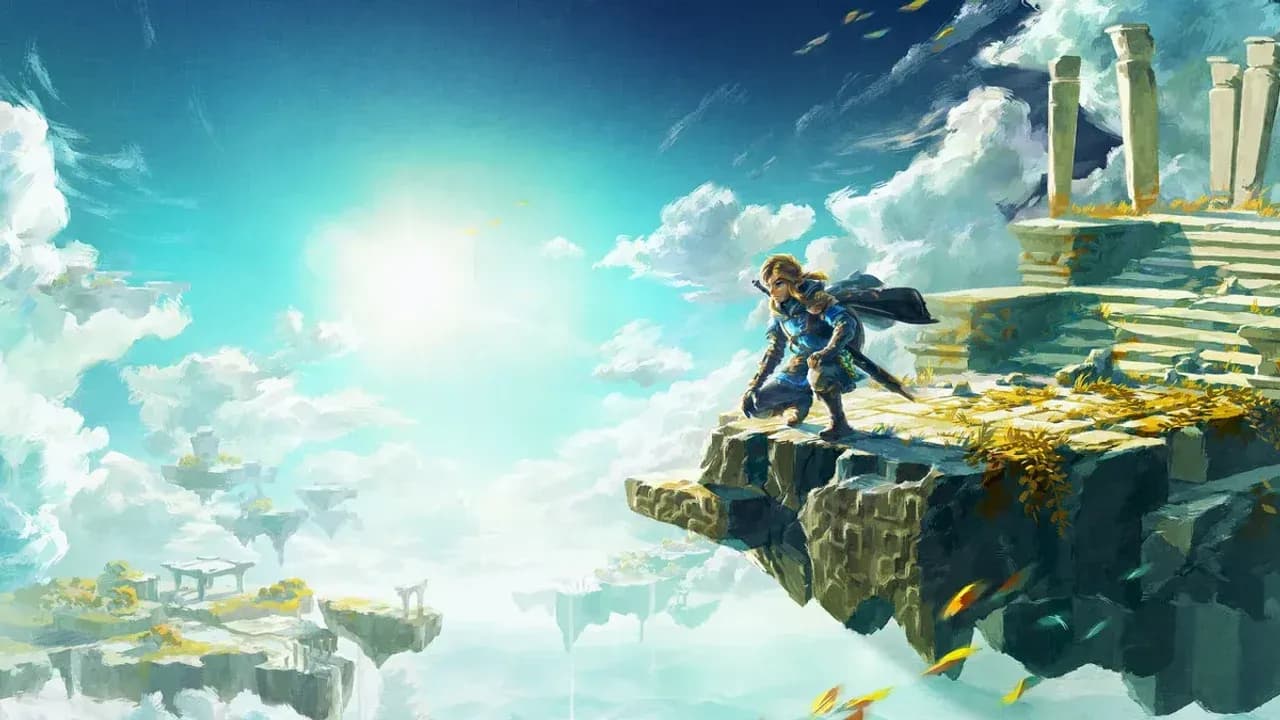
The Legend of Zelda: Tears of the Kingdom First Impressions: A Familiar Yet Transformed Hyrule
Returning to Hyrule should feel like slipping on a pair of comfortable boots. In The Legend of Zelda: Tears of the Kingdom, it’s more akin to waking up in a house you’ve lived in for years, only to find the floorplan has been shifted, the attic is full of treasure, and the basement is now a pitch-black cavern of nightmares. This is the game’s opening gambit: to make a world you know intimately feel startlingly new, not by wiping the slate clean, but by tearing it in three.
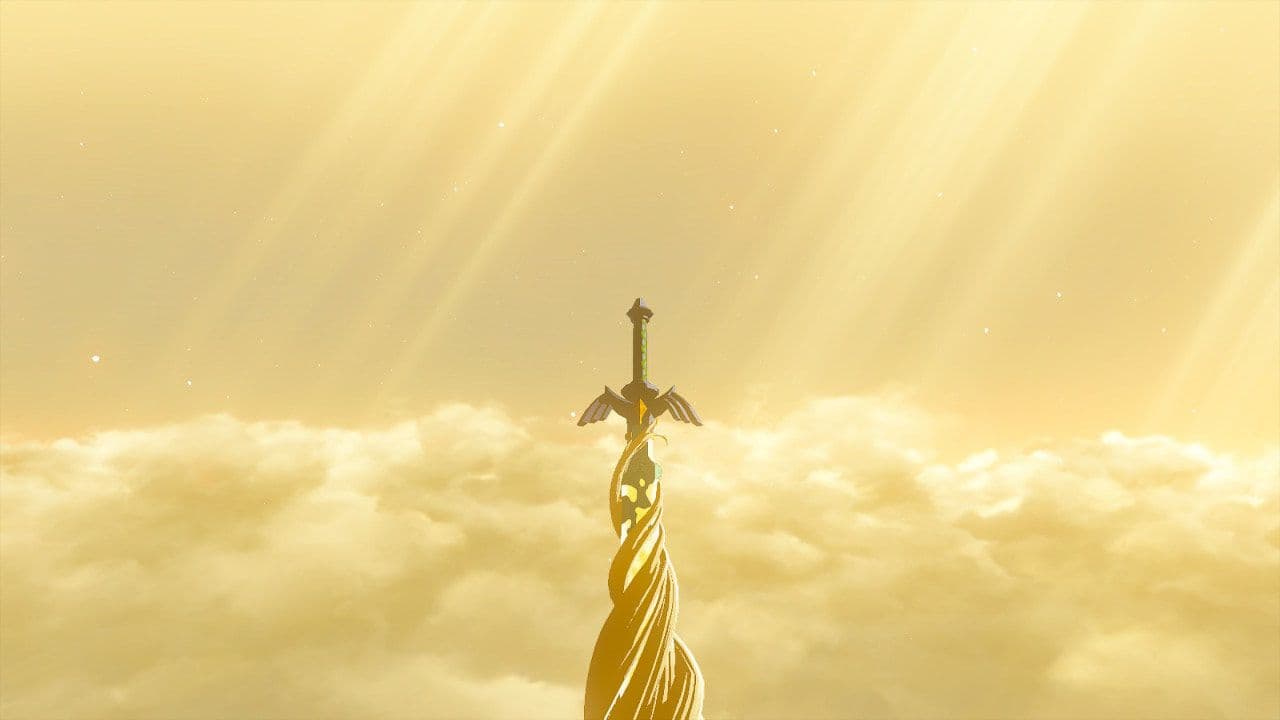
Understanding the changes in Hyrule requires a frame of reference from Breath of the Wild.
The genius of this approach is that it makes its predecessor, the revolutionary Breath of the Wild, look like a proof of concept. Where that game established a breathtaking but often lonely canvas, Tears of the Kingdom populates it with purpose. The central narrative event, the Upheaval, is more than a plot device—it’s a masterful design tool. It fractures the familiar landscape with gaping chasms, litters it with floating Zonai ruins, and scatters debris that recontextualizes every vista. A journey to Zora’s Domain isn’t just a scenic swim; it’s a navigation through a new, sludge-choked river delta. The beach town of Lurelin isn’t just a destination; it’s a pirate-occupied ruin begging for liberation and rebuilding. This isn’t nostalgia; it’s discovery rekindled through deliberate, intelligent alteration.
The commercial success speaks to this alchemy: 10 million copies sold in its first three days, ballooning to 22.4 million by late 2025. Players weren’t just buying a sequel; they were buying into a promise that the wonder could be recaptured.
That promise is fulfilled not just in geography but in population. Hyrule feels palpably more lived-in. Lookout Landing, the new central hub, buzzes with activity from every race in Hyrule, transforming a functional outpost into a narrative and logistical heart. Side quests evolve from simple fetch tasks to multi-stage stories—reuniting the Stable Trotters band or tracking down the legendary bandit Misko’s treasures—that reward you with more than just rupees, offering tangible connections to the world’s recovery. This density of character and activity directly addresses a core criticism of Breath of the Wild, trading some of its haunting solitude for a sense of cooperative struggle that defines Link’s new journey. The quiet heroism of cleaning up after the Calamity has given way to the urgent, communal effort of surviving the Upheaval, and it makes this Hyrule feel more real, and more worth saving, than ever before.
Tears of the Kingdom Gameplay: How Ultrahand and Fuse Redefine Player Freedom
If The Legend of Zelda: Tears of the Kingdom has a single, defining thesis, it is this: the world is not just something to be explored, but something to be engineered. The game’s four new abilities, particularly Ultrahand and Fuse, are not mere tools; they are foundational mechanics that fundamentally rewire how you think about traversal, combat, and problem-solving. This isn't an evolution of Breath of the Wild's philosophy—it's a revolution, transforming the player from a resourceful adventurer into a creative god.
Tears of the Kingdom emphasizes player freedom through its creative engineering mechanics.
The Ultrahand ability is the game’s most staggering achievement. It turns the entire world into a physics playground where any combination of logs, planks, and ancient Zonai devices is a potential solution. The freedom is intoxicating: you can build a simple raft with a fan, a hot-air balloon to reach a distant sky island, or, as I did, a desert skiff with a mounted cannon to hunt a Molduga. The genius is that Tears of the Kingdom rarely prescribes a "correct" build. A gap can be crossed with a bridge, a catapult launch, or a rocket-assisted glide. This sandbox approach fosters a constant, delightful feedback loop of hypothesis and experimentation, where the most memorable moments are often the hilarious failures of your own Rube Goldberg contraptions.
Where the game earns its reputation is in how it makes this complexity approachable. The optional Autobuild feature and developer-provided schematics act as training wheels, while the late-game discovery that you can create a functional fighter plane or a multi-story walking mech proves the system’s staggering depth. This is a creative suite with a lower floor and a nearly invisible ceiling.
This engineering mindset extends directly into combat through the Fuse mechanic. It completely recontextualizes the returning weapon durability system. No longer is a breaking sword a moment of scarcity; it’s an opportunity to craft something new and potentially more powerful. Attaching a Lizalfos horn to a stick creates a serviceable spear, while fusing a bomb flower to an arrow creates a makeshift RPG. The system encourages constant experimentation, turning every monster part and environmental object into a potential weapon component. This shifts the focus from hoarding "good" weapons to treating your entire inventory as a modular toolkit, making the act of breaking a weapon feel generative rather than punitive.
Complementing these core systems are the "cheat-code" abilities Ascend and Recall. Ascend is a masterclass in elegant design, allowing Link to swim upwards through any solid ceiling. It transforms traversal, turning a daunting cliff face into a quick shortcut from a cave below, and elegantly solves the age-old climbing frustration. Recall, which rewinds an object’s movement, is equally clever. It can send a rolling boulder back at an enemy, create an elevator from a falling rock, or solve a shrine puzzle by reversing a complex machine’s path. These abilities feel less like magic and more like you’ve discovered a loophole in the universe’s physics, granting a profound sense of cleverness.
However, this unparalleled freedom comes with a tangible cost in control complexity. Rotating and precisely placing objects with Ultrahand can feel fiddly, requiring multiple button adjustments to get a plank just right. More critically, fusing items to arrows in the heat of combat is cumbersome. Scrolling through a cluttered inventory of monster parts to find a single Keese wing or bomb flower disrupts the combat flow, turning a dynamic encounter into a frustrating menu pause. This is where the game’s ambition bumps against the Switch’s control scheme—a trade-off where the sheer volume of creative possibility occasionally sacrifices intuitive, fluid execution.
For context, this level of systemic player freedom is closer to Minecraft or Banjo-Kazooie: Nuts & Bolts than any traditional action-adventure. Yet Tears of the Kingdom integrates it so seamlessly that by the tenth hour, building a flying machine to bypass a mountain feels as natural as climbing it. It’s a design gamble of monumental scale that pays off, making every challenge in Hyrule feel like an open invitation to play.
Exploring the Three Layers: Sky Islands, the Surface, and the Dark Depths
The genius of The Legend of Zelda: Tears of the Kingdom isn't just in adding more landmass—it's in turning Hyrule into a three-dimensional puzzle box where the most breathtaking discoveries happen when you look straight up, or dare to jump straight down. This verticality isn't a gimmick; it's the game's structural backbone, creating a constant, thrilling dialogue between its three distinct layers: the ethereal Sky Islands, the transformed Surface, and the oppressive Depths. The seamless, load-free transitions between them are a technical marvel, making the act of leaping from a floating archipelago, free-falling through the clouds, and plunging into a pitch-black chasm feel like a single, uninterrupted breath of adventure.
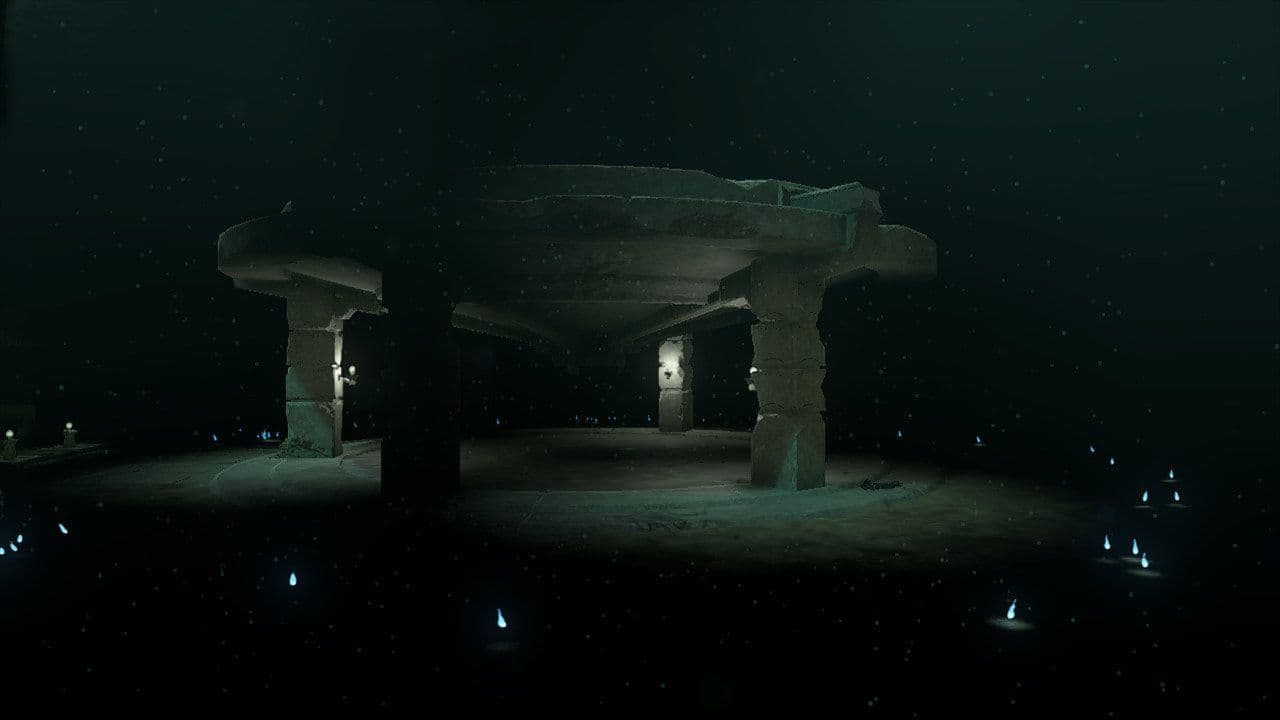
The Depths offer a vast, dark subterranean layer to explore beneath Hyrule.
The Sky Islands serve as the game's serene, melancholic prologue and its persistent reward. Clustered in archipelagos above the clouds, they offer a stark contrast to the grounded struggles below. Their atmosphere is defined by a haunting, woodwind-heavy soundtrack and an aesthetic of ancient, crumbling Zonai stonework, creating a palpable sense of lost civilization. Gameplay here is often bite-sized and focused: a single shrine puzzle on a solitary island, a treasure chest guarded by a lone Construct, or a complex assembly challenge requiring your Ultrahand skills. While some critics rightly note they lack the density of the Surface, their purpose is different. They are vantage points, resource caches, and moments of tranquil isolation. Discovering a new cluster on the horizon, building a flying machine to reach it, and solving its self-contained mystery provides a potent hit of satisfaction that never grows old.
Where the vertical design truly sings is in the resource and exploration loop it creates. Brightbloom seeds, essential for illuminating the Depths, are primarily found in Surface caves. Treasure maps pointing to legendary loot are discovered on Sky Islands but lead to coordinates in the Depths. This isn't three separate games stitched together; it's one massive, interconnected ecosystem that constantly pulls you between its layers with intelligent incentives.
This praise makes the shortcomings of the Depths all the more pronounced. This subterranean mirror of the Surface map is a bold, massive addition—literally doubling the game's explorable space—but it often feels like quantity over curated quality. The initial descent into pitch-blackness, illuminated only by the glowing Brightbloom seeds you throw, is dripping with tension and promise. The Gloom mechanic, where certain attacks permanently sap your heart containers until you find light or a specific meal, introduces a fantastic survival-horror vibe. However, this tension gradually erodes into repetition. The biomes are largely homogeneous seas of darkness punctuated by identical glowing roots, enemy camps, and Yiga hideouts. While discovering a Lightroot to permanently illuminate a chunk of map and heal your Gloom damage is a compelling short-term goal, the long-term exploration can feel like a checklist, lacking the environmental storytelling and variety that make the Surface and Sky so compelling.
The sheer content scale across these layers is staggering, bordering on overwhelming. With 152 Shrines (split between Surface and Sky) and 120 Lightroots in the Depths, the game presents you with 272 major structured objectives before you even count side quests, caves, or boss arenas. This volume is a double-edged sword. It means you’re never more than a few minutes from a tangible goal, supporting the "just one more thing" loop that can devour hours. Yet, it also means that the Depths can feel padded, with their Lightroots often placed directly beneath Surface shrines in a predictable pattern that eventually replaces wonder with routine. The Sky Islands, while beautiful, can sometimes feel like archipelagos of similar puzzle ideas rather than wholly unique biomes.
Ultimately, the tri-layer world is a monumental achievement with a clear hierarchy. The transformed Surface remains the star, rich with the life and history we explored in the first section. The Sky Islands are the perfect garnish—beautiful, intentional, and refreshing in small doses. The Depths are the ambitious but undercooked side dish: conceptually fascinating and full of potential, yet so vast and repetitive that only the most dedicated completionists will savor every last bite. Together, they solidify Tears of the Kingdom not just as a big game, but as a profoundly deep one, even when parts of that depth are shrouded in too much gloom.
Dungeons and Combat: Does Tears of the Kingdom Fix Breath of the Wild's Weaknesses?
If Breath of the Wild’s greatest sin was its repetitive Divine Beasts and boss palette, The Legend of Zelda: Tears of the Kingdom arrives with a clear mandate: atone. This is the section where the sequel directly confronts its predecessor's most vocal criticism, and the results are a resounding, if not flawless, victory. The temples are back, the bosses are spectacular, and the enemy roster has finally received a meaningful expansion. Yet, in its zeal to fix old problems, the game introduces a new, frustrating wrinkle in the form of your well-intentioned but bumbling Sage companions.
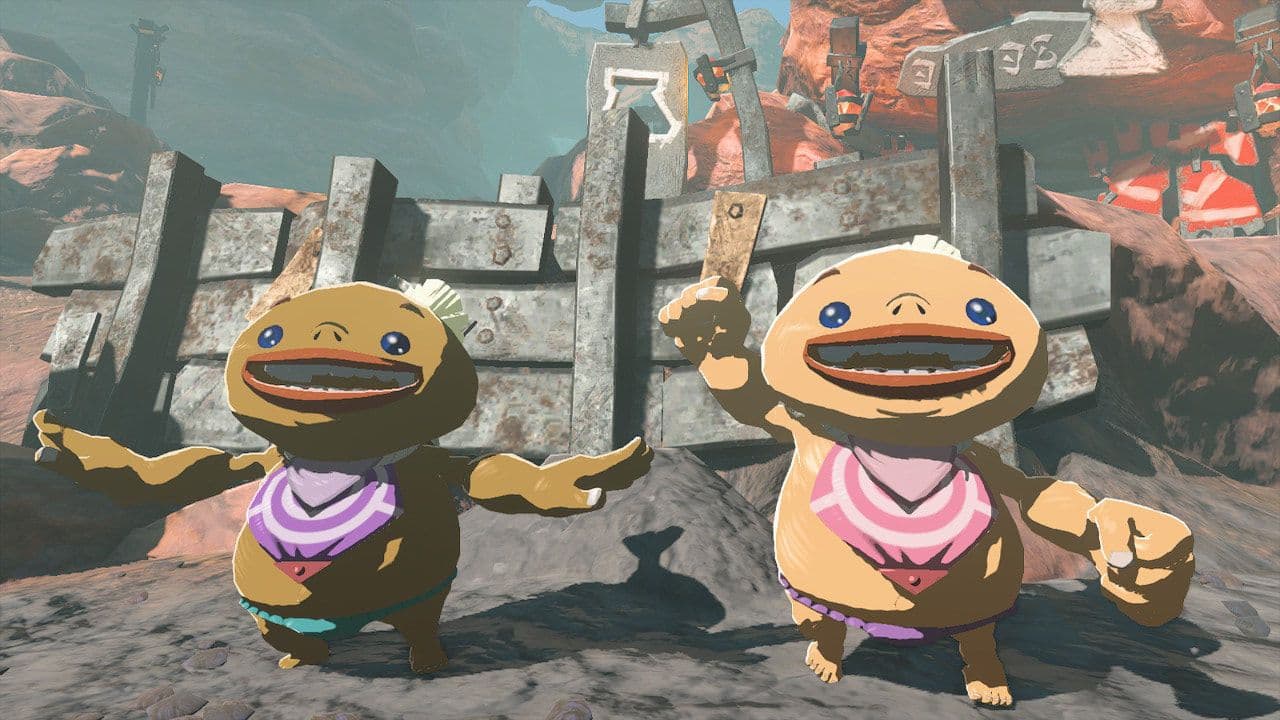
The new Temples offer greater creative freedom for solving puzzles compared to previous games.
Let’s start with the temples, the most requested return to form. Gone are the four visually similar, metallic Divine Beasts. In their place are four distinct, themed dungeons: the Wind Temple aboard a frozen sailing ship, the Fire Temple within the depths of Death Mountain, the Water Temple in the ancient Zora waterworks, and the Lightning Temple buried in the Gerudo desert. Each is a significant aesthetic and structural improvement, featuring unique mechanics, atmospheric music that builds with your progress, and a clear, satisfying objective—typically activating four or five locks to confront the area’s boss. The lead-in to each, like riding a cyclone up to the storm-lashed ship or navigating a sludge-filled labyrinth to reach the water temple, is often more memorable than the dungeon proper. This is because, while a welcome course correction, these temples still operate within the open-air philosophy of Breath of the Wild. They are sprawling, multi-level playgrounds rather than tightly paced, lock-and-key labyrinths of classic Zelda. You can often bypass intended puzzle sequences using Ascend or a well-placed rocket, and the puzzles themselves are designed to be solved with one key ability at a time to preserve non-linearity. They are a masterful compromise, offering the spectacle and theme of tradition while respecting the player’s freedom to subvert it.
The payoff for each temple is where Tears of the Kingdom truly shines: the boss fights. From the exhilarating aerial ballet of shredding Colgera’s ice armor while free-falling through the clouds, to the tense, shadowy puzzle of exposing Queen Gibdo in the Lightning Temple, these encounters are spectacular set-pieces. They are visually distinct, mechanically inventive, and leverage your new companion abilities in clever ways.
This brings us to the game’s most glaring combat flaw: your Sage companions. While their dungeon-specific abilities are brilliant—Tulin’s gust for mobility, Yunobo’s rolling attack for breaking rocks and armor, Sidon’s water shield for extinguishing flames and attacking—their implementation in the open world is bafflingly clumsy. Each Sage manifests as a glowing AI companion who follows you, and to use their power, you must physically run near them and press the ‘A’ prompt. In the calm of exploration, this is a minor annoyance. In the chaos of a combat arena against a Gleeok or a swarm of Gloom-empowered monsters, it becomes an exercise in frustration. You’re not fighting the enemy; you’re fighting the camera and the AI pathfinding, chasing down the correct spectral ally while dodging attacks. The ability to dismiss them feels like a necessary workaround for a system that actively disrupts the fluid combat the game otherwise cultivates.
Thankfully, the enemy variety itself is a massive improvement. The base roster of Bokoblins, Moblins, and Lizalfos returns with new armored variants and combat behaviors that demand tactical thinking, but the new additions are the stars. Flux Constructs are shape-shifting puzzle bosses that require you to use Ultrahand to yank out their weak-point block. Gleeoks, the three-headed dragons, are punishing tests of precision and resource management, each head requiring a different elemental approach. And the Gloom Hands are a stroke of horror genius—a creeping, overwhelming threat that saps your hearts permanently and, if not defeated quickly, summons a terrifying Phantom Ganon. These enemies ensure that exploration retains an edge, and they make the Depths and later surface regions feel genuinely dangerous in a way Breath of the Wild rarely achieved.
In the end, Tears of the Kingdom doesn’t just address Breath of the Wild’s weaknesses; it builds a stronger, more varied combat and dungeon ecosystem atop them. The temples are a triumphant return to themed spectacle, the bosses are among the series’ best, and the new enemies constantly keep you on your toes. You simply have to tolerate the comical hassle of your spectral entourage to enjoy it all—a trade-off between ambitious systemic synergy and polished, moment-to-moment execution that this brilliant, overstuffed game is sometimes willing to make.
Narrative and Presentation: A More Ambitious Story Told Non-Linearly
The Legend of Zelda: Tears of the Kingdom sets out to tell a grander, more emotionally immediate story than its predecessor, but it’s a tale delivered in a jigsaw puzzle whose pieces can be found in any order. Where Breath of the Wild’s memories were a melancholic excavation of a lost past, this sequel’s narrative is a present-tense mystery with higher stakes and a genuinely stirring payoff. Yet, the game’s unwavering commitment to non-linearity becomes its narrative’s greatest strength and most glaring weakness, creating a powerful, personal revelation for some and a disjointed, confusing experience for others.
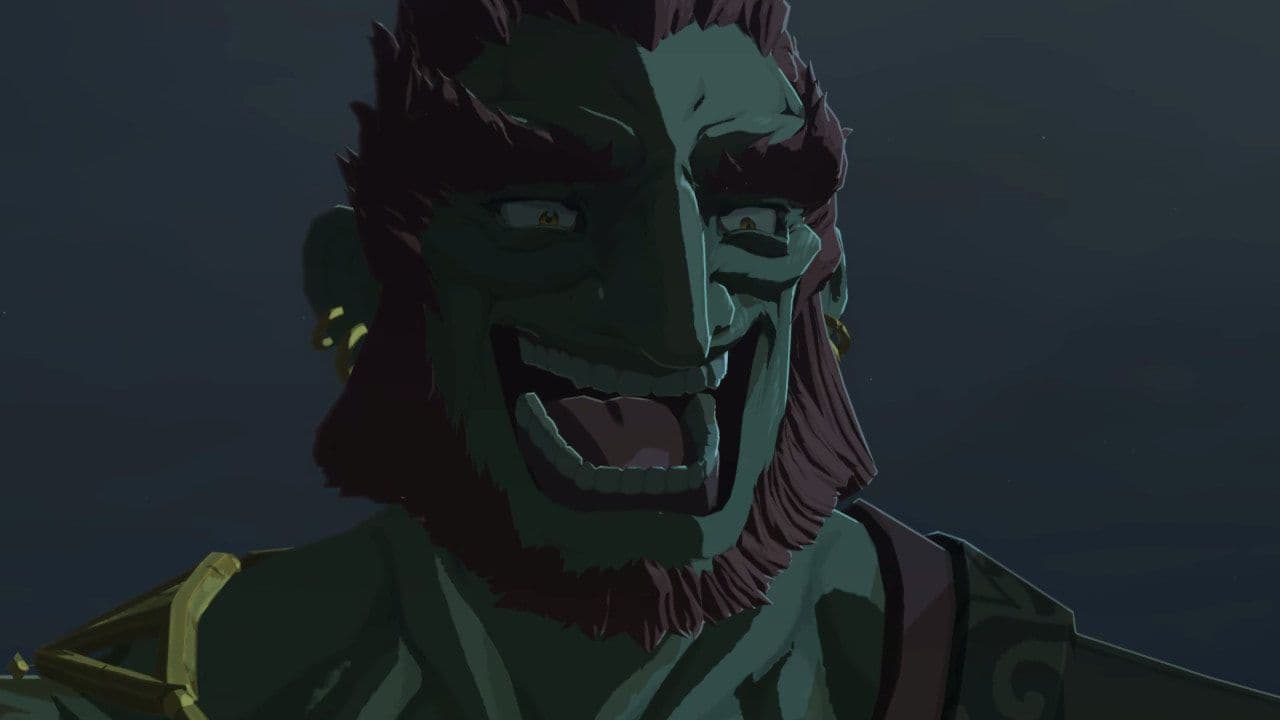
The game's narrative explores the motivations of its central antagonist, Ganondorf.
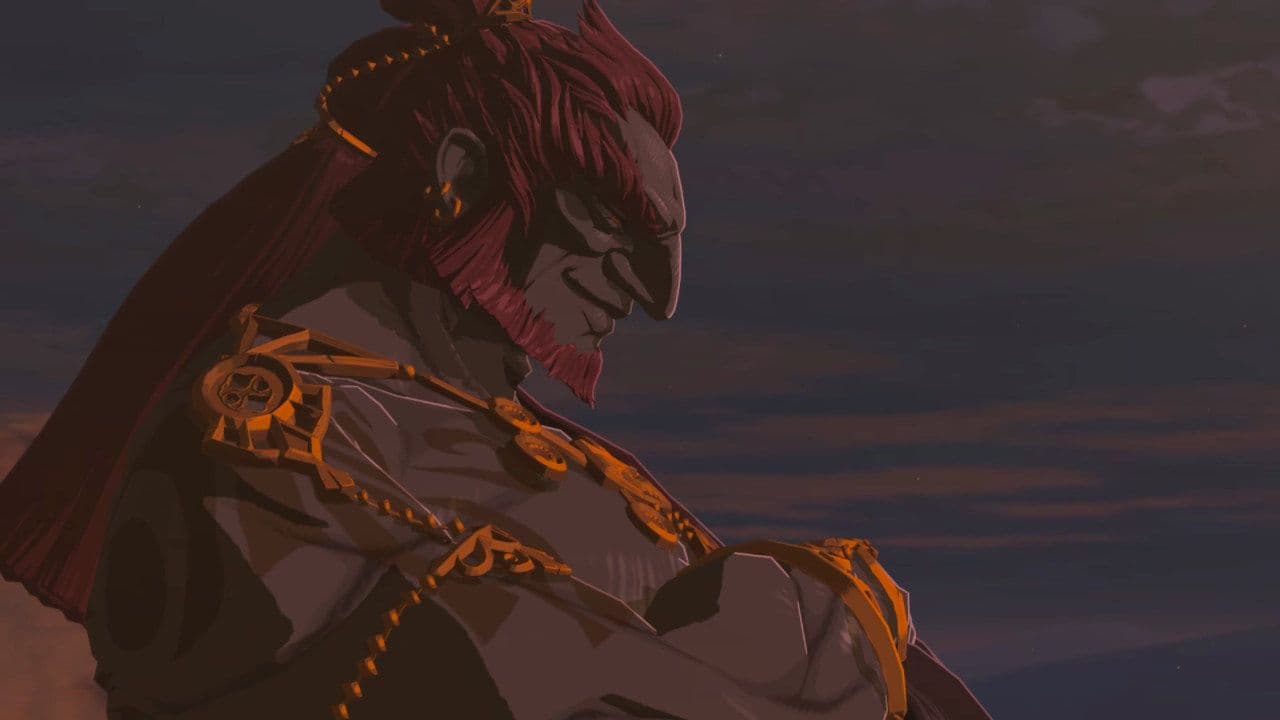
The narrative ambition is immediately clear. This is not a background lore tapestry; it’s a driving quest centered on Zelda’s disappearance and the ancient history of the Zonai. The opening sequence beneath Hyrule Castle is a masterstroke of tension, culminating in Ganondorf’s terrifying resurrection, the shattering of the Master Sword, and Zelda’s fall into the abyss. From this potent start, the game weaves two threads: Link’s journey to unite the Sages and quell regional crises, and the scattered Dragon’s Tear memories that reveal Zelda’s fate across time. The latter thread is where the story finds its heart, building toward a revelation involving Zelda’s transformation that stands among the most poignant and memorable moments in the entire franchise. It’s a narrative that demands emotional investment and, for those who piece it together correctly, richly rewards it.
The problem is that “piecing it together correctly” is entirely up to the player. The geoglyph memory system, while a beautiful idea—finding giant murals on the landscape that trigger a cutscene—has no inherent order. You can stumble upon the penultimate, tear-jerking revelation about Zelda’s sacrifice hours before you see the foundational scenes that give it context. This isn’t just a potential spoiler; it actively drains the narrative of its intended dramatic tension and emotional crescendo. The game trusts you to be your own editor, which is a bold design philosophy for its world but a clumsy one for its story.
This structural gamble impacts the development of its new cast. The four regional Sages—Tulin, Sidon, Yunobo, and Riju—are given far more screen time and personality than their Divine Beast pilot predecessors. Their individual quests to overcome doubt and assume their mantles are small, effective character stories. However, the quality of these arcs is uneven. Sidon’s struggle with leadership in his sister’s shadow and Riju’s battle to protect her people from a supernatural sandstorm carry weight. In contrast, the Rito arc can feel reduced to helping an “annoying adolescent side-character,” and the Goron storyline, while fun, often relies on the series’ well-trod Death Mountain tropes. They are strong tertiary characters, but their impact is sometimes diluted by the game’s vast scope and the aforementioned memory system, which can make their present-day struggles feel disconnected from the larger, time-bending epic you’re simultaneously uncovering.
Where the presentation never falters is in its sound design. The soundtrack is a masterclass in atmospheric storytelling. It builds upon Breath of the Wild’s sparse piano with breathtaking confidence: the Sky Islands are scored with melancholic woodwinds that evoke serene isolation, the Depths thrum with dissonant, industrial drones that amplify the sense of dread, and the dynamic combat music seamlessly intensifies as encounters escalate. The use of Zelda’s leitmotif is particularly effective, woven into key memories with a emotional precision that the non-linear structure sometimes undermines. It’s a score that doesn’t just accompany the adventure; it defines the emotional texture of each of the game’s three layers, making the transition from the hopeful skies to the oppressive depths feel not just visual, but visceral.
Technical Performance: Pushing the Switch to its Absolute Limit
The Legend of Zelda: Tears of the Kingdom is a game of breathtaking ambition, but ambition has a price. That price is paid most directly by the aging Nintendo Switch hardware, which groans under the weight of a world this complex, and most visibly by the player, who must occasionally endure performance that can feel like a step back in time. This is the game’s one unassailable compromise: to experience its magic, you must also tolerate its moments of technical strain.
On the original Switch, Tears of the Kingdom targets a 30fps cap, a benchmark it frequently fails to meet. The performance dips are predictable and tied directly to its most ambitious systems. Constructing a complex Ultrahand vehicle with multiple moving parts can cause the framerate to stutter into the low 20s. Busy environments, like the lushly populated Kakariko Village during a rainstorm, or chaotic combat encounters with multiple enemies and particle effects, trigger similar slowdowns. While these moments are rarely game-breaking—the action remains comprehensible—they are undeniably disruptive. They puncture the immersion of an otherwise seamless world, reminding you that you are playing on hardware being pushed to its absolute limit. For a game so focused on fluid, creative problem-solving, these hitches are a tangible friction against its core promise.
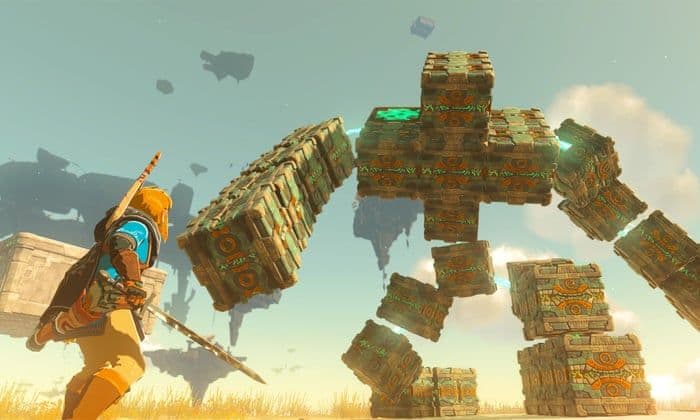
Large-scale boss encounters test the game's frame rate stability.
Where the game earns immense technical respect is in its remarkable stability. Despite being a sprawling physics sandbox where players can build absurd contraptions and dive between three massive world layers, Tears of the Kingdom is almost entirely free of game-breaking bugs or crashes. The seamless transitions from sky to surface to depths, all without a loading screen, is a programming marvel. This polish ensures the performance issues remain an annoyance rather than a catastrophe, a testament to Nintendo’s mastery of squeezing every ounce of optimization from their platform.
This context makes the Nintendo Switch 2 Edition, released in 2025, feel less like a simple port and more like the definitive version the game always deserved. The enhancements are transformative: a stable 60fps, 4K resolution, HDR support, and drastically reduced load times. Playing on this hardware doesn't just smooth out the framerate; it fundamentally changes the feel of the game. The fluidity makes complex building feel more responsive, combat more precise, and the already-gorgeous art style—from the sun-dappled Sky Islands to the bioluminescent Depths—crisp and vibrant. The experience shifts from "impressive for the Switch" to "stunning, full stop." It highlights that the original’s performance limitations were a hardware bottleneck, not a design flaw, and offers the pure, unfiltered version of this adventure.
Ultimately, your experience with Tears of the Kingdom is bifurcated by your hardware. On the original Switch, it is a monumental achievement that asks for your patience during its most ambitious moments. On the Switch 2, it is an unimpeachable technical showcase. Both versions deliver the same brilliant game, but one lets you appreciate its grandeur without a persistent, low hum of hardware struggle.
Final Verdict: Is The Legend of Zelda: Tears of the Kingdom the Best in the Series?
After more than a hundred hours of engineering flying machines, descending into gloom, and piecing together a fractured timeline, one question remains: does this monumental effort constitute the series' peak? The Legend of Zelda: Tears of the Kingdom makes a compelling, overwhelming case for itself. It is a game of staggering scale and profound creativity that, for the right player, offers a value proposition unmatched in modern gaming. For the wrong player, however, its sheer enormity and occasional rough edges can feel like a barrier.
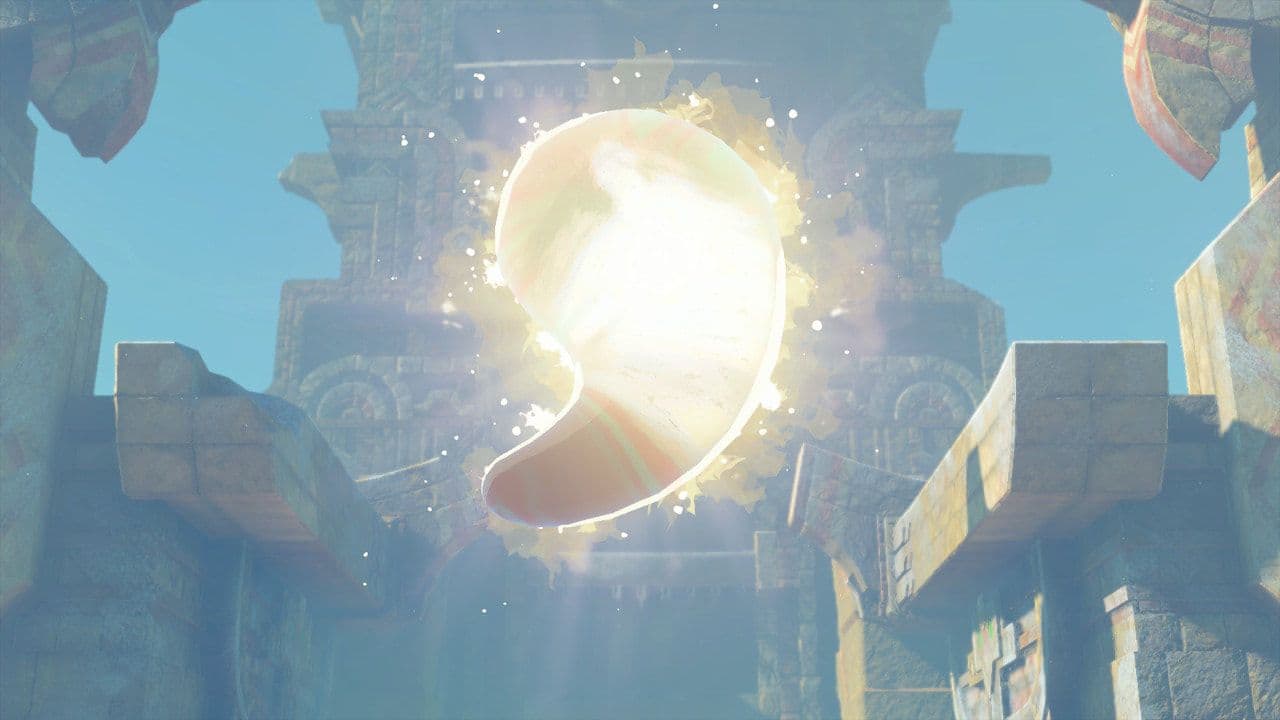
Evaluating the legacy of Tears of the Kingdom.
The commitment required is immense. The main story, focused on uniting the Sages and confronting Ganondorf, will consume a dedicated player for 50-70 hours. For the completionist chasing all 152 Shrines, 120 Lightroots, and the thousand Korok seeds, the journey balloons past 200 hours. This is not padding; it’s a testament to a world so densely packed with systemic possibility that the line between a side quest and a self-directed engineering project constantly blurs. While the repetitive nature of the Depths can test your patience in those later hours, the core loop of discovery and creation remains potent. For the $70 price tag, you are buying a digital continent of possibility, making it one of the most content-rich single-player experiences available.
This is the game’s ultimate, defining characteristic: it is a canvas. Your story is not just Zelda’s sacrifice or the Sages’ unity; it’s the tale of the ridiculous flying machine you built to conquer a mountain, or the perfect elemental arrow combo you devised to fell a Gleeok. That emergent, personal narrative is where its true value lies.
This brings us to the critical question of its target audience. For fans of Breath of the Wild, Tears of the Kingdom is an essential, transformative evolution. It directly addresses the major criticisms—dungeons, boss variety, narrative presence—while doubling down on the freedom that made the original revolutionary. For open-world enthusiasts who value systemic creativity over curated narrative, it is a masterclass. However, if the core loop of Breath of the Wild—exploration, resource gathering, and physics-based problem-solving—didn’t resonate with you, this sequel will not change your mind. It is iterative in the best sense, refining and expanding rather than reinventing. The familiar Hyrule surface, even altered, means the initial shock of the new is replaced by a deeper, more complex relationship with a world you already know.
Its strengths are the pillars that support that hundred-hour journey. The unmatched creative freedom granted by Ultrahand and Fuse is a generational leap in player agency. The improved dungeons, while not classic Zelda labyrinths, offer spectacular themed playgrounds and boss fights that rank among the series’ best. The emotionally powerful story, particularly Zelda’s arc, delivers a payoff that lingers long after the credits. And the staggering world scale across three seamless layers creates a sense of adventure that few games can match.
Yet, to recommend it unreservedly would be to ignore its very real friction points. The fiddly UI, especially the cumbersome process of fusing items to arrows mid-combat, can disrupt the flow of its best moments. The repetitive Depths environments, while conceptually brilliant, often feel vast and undercooked compared to the curated density of the Surface. And, as detailed in the performance section, the technical struggles on the original Switch hardware are a tangible compromise, with framerate dips during complex physics interactions serving as a constant reminder of the platform’s limits.
The Legend of Zelda: Tears of the Kingdom is not a perfect game, but it is a monumental one. It stands as the most ambitious, creative, and content-rich entry in the franchise’s storied history. It asks for your time, your patience with its systems, and your willingness to engineer your own fun. In return, it offers a world of limitless possibility and a profound sense of ownership over your adventure. For that, it earns its place not just as a sequel, but as a new benchmark.
Final Verdict
The Legend of Zelda: Tears of the Kingdom is a masterpiece of systemic game design and open-world ambition. It improves upon its legendary predecessor in nearly every way, offering hundreds of hours of deeply rewarding, player-driven adventure. While held back by some clumsy controls and the aging Switch hardware, its triumphs are so vast and profound that they easily eclipse its flaws. It is an essential, generation-defining experience.
Pros:
- Unprecedented creative freedom through Ultrahand and Fuse mechanics.
- Vastly improved dungeons and spectacular, varied boss fights.
- An emotionally resonant core narrative with a powerful payoff.
- A staggeringly huge and seamless world offering 200+ hours of content.
- Remarkably polished and bug-free for a game of its complexity.
Cons:
- Cumbersome UI for item fusion can disrupt combat flow.
- The Depths, while huge, can feel repetitive and less inspired.
- Sage companion abilities are awkward to activate in combat.
- Performance on the original Nintendo Switch is frequently unstable.