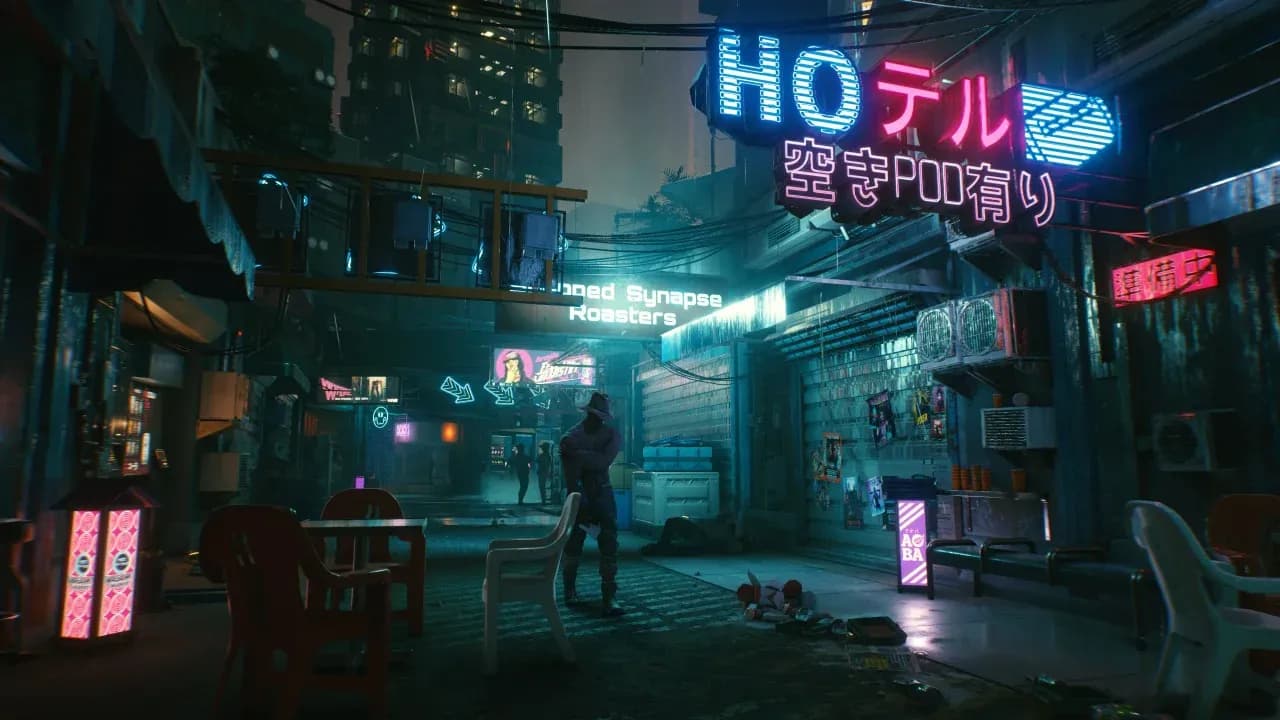
Somebody already ranked these gangs officially. The World of Cyberpunk 2077, the compendium Dark Horse published alongside the game, gives each faction a headcount and a threat level. Maelstrom is the only gang rated Extreme. The Voodoo Boys are rated Low.
Play the game and those two ratings read backwards. The gang rated Low installs a lethal virus in your skull and then pushes you through the Blackwall expecting you not to come back. The gang rated Extreme shoots at you in a disused food factory. Neither rating is wrong about the thing it measures — how much force a faction can put into a room — and that turns out to be the least useful thing to know about danger in a city where death is not the worst available outcome.
So this ranking runs on a different axis: what each faction takes from you, and whether you get it back. Sorted that way, a gang of fifty outranks a gang of six thousand, the numbers on the page invert almost cleanly, and the most dangerous faction in Night City is not a gang at all.
The Official Ratings Are a Real-Estate Report
Put the book's own figures side by side and the scale gives itself away.
| Faction | Official threat level | Estimated members |
|---|---|---|
| Valentinos | Medium/High | ~6,000 |
| Tyger Claws | Medium/High | ~5,500 |
| Animals | High | ~2,500–3,000 |
| 6th Street | Medium | ~2,300 |
| Maelstrom | Extreme | ~1,300 |
| Wraiths | High | ~300–1,200 |
| The Mox | Low | ~200–250 |
| Voodoo Boys | Low, but extreme in the Net | ~50–250 |
| Scavengers | Medium | not counted |
The ratings track headcount and turf, with one deliberate exception at each end. Maelstrom is small and rated Extreme because it is unpredictable rather than large. And the Voodoo Boys entry does not say Low; it says Low, but extreme in the Net. That clause is the compilers admitting the scale could not hold what the Voodoo Boys do, so they bolted an exception onto it instead of changing the axis.
Change the axis. Rank by permanence — by whether what a faction takes is recoverable — and the order below is what you get. It is worth saying up front that the compendium came out in 2020, three years before Phantom Liberty, which is why Barghest has no number at all despite holding an entire district.
1. Arasaka Is the Only Faction That Can Kill You Twice
Arasaka has no threat level because Arasaka is not a gang. It is a 1915 arms company with more than 595,000 employees, a private army, and a boardroom succession fight so bitter that Yorinobu robbing his own father is what sets the game in motion. On a list of Night City's dangerous factions it belongs first, and not for the reason people usually give.
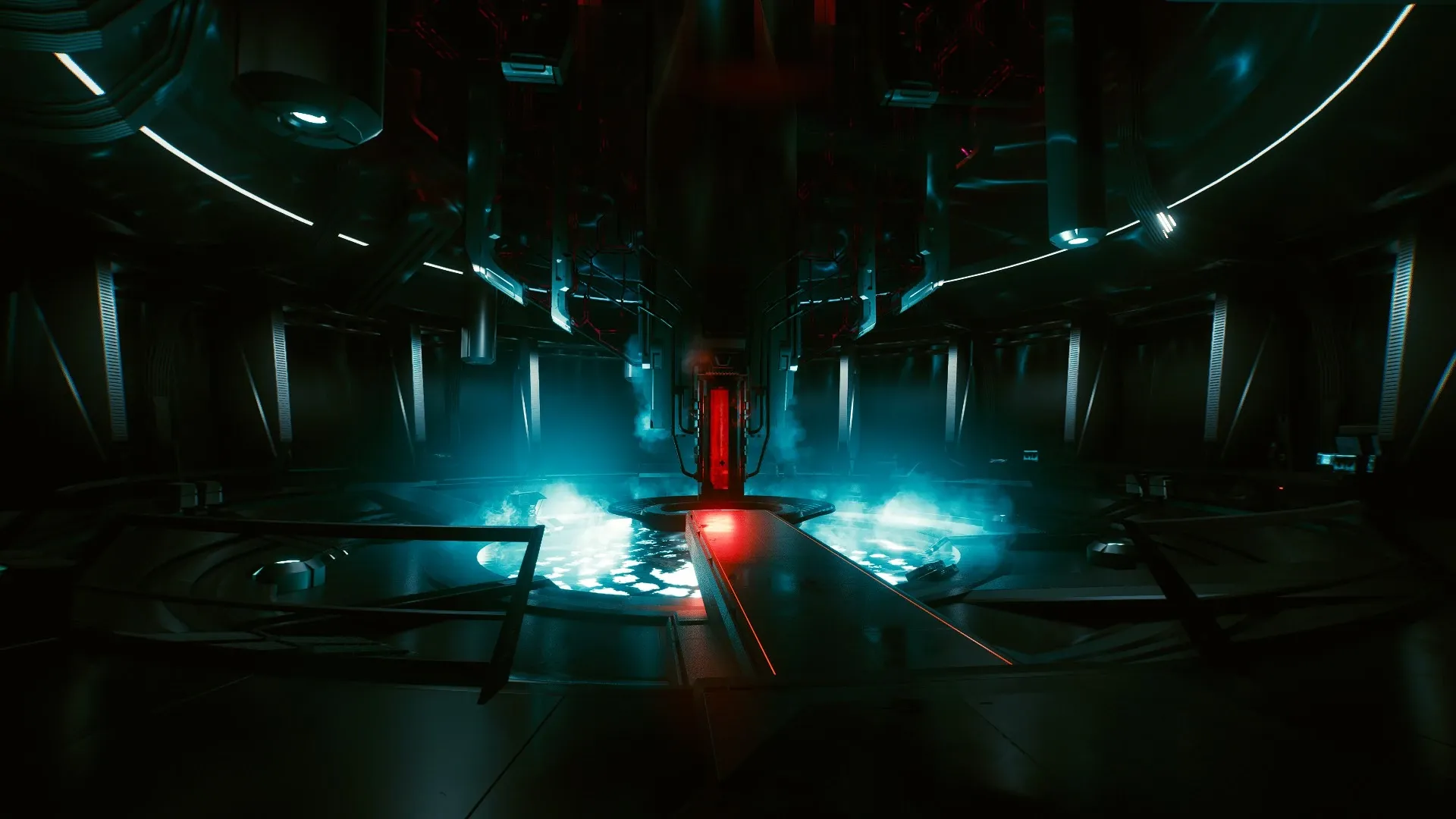
Mikoshi, where Arasaka keeps the people it has already killed once.
The reason is not Adam Smasher, and it is not the tower. It is a program and a building. Soulkiller was written by Alt Cunningham at ITS, stolen by Arasaka, and has since become an artificial intelligence living inside Mikoshi — a data fortress whose servers sit on orbital stations, holding the digitised minds of "Secure Your Soul" subscribers alongside everyone Soulkiller has ever been pointed at. The Night City access point, Izanagi, is directly beneath Arasaka Tower.
What makes that categorically different from a gun is what Soulkiller does. It does not copy you. It drains the original while it writes the engram, and leaves the body catatonic — which is exactly what happened to Johnny Silverhand, and exactly why there is a dead rockerboy talking in V's head for the length of the game. Every other faction on this list ends its relationship with you when you stop breathing. Arasaka's begins there. The entire plot of Cyberpunk 2077 is a man Arasaka already did this to, running on a chip, trying to keep it from happening to someone else.
2. The Voodoo Boys Are Rated Low and Flatline You Twice
Between fifty and two hundred and fifty members. No army, no turf worth annexing, a rating of Low — and two separate attempts on V's life, neither of which required a single member of the gang to be in the same room.
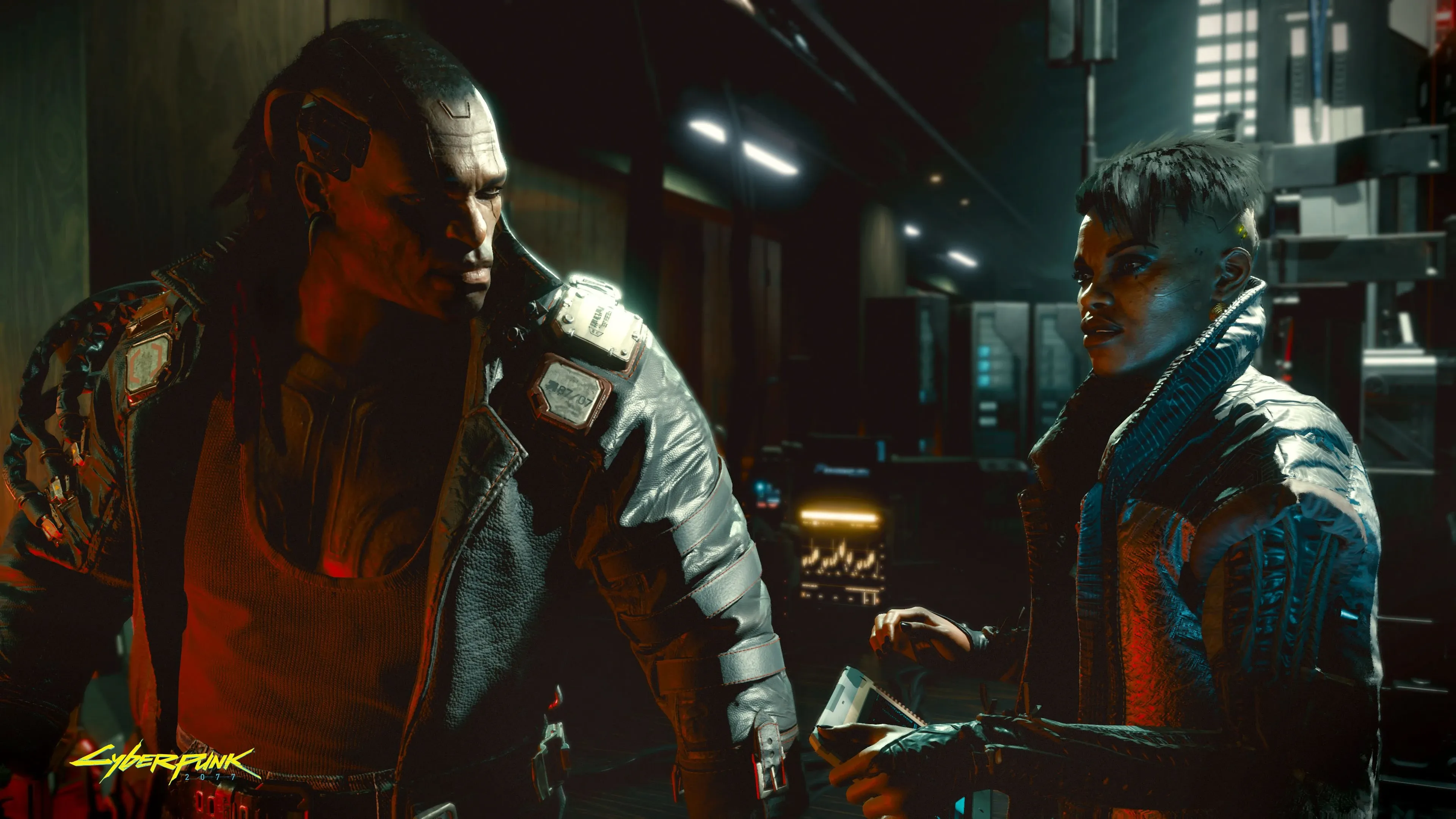
Placide and Brigitte — the gang rated Low, and the two people who almost finish V.
Placide starts by installing a surveillance program in V's cyberware. It is also a lethal virus, built to kill NetWatch agent Bryce Mosley, every agent connected to Mosley's network, and V as collateral. V burns out and survives on the Relic — that is, survives by accident, on hardware Arasaka built for something else. Placide's later assessment of nearly killing his own contractor is that it was an occupational hazard.
Then Brigitte, who actually leads the gang — Placide is her second-in-command, a distinction most summaries get wrong — promises to cut the biochip out of V's head once Alt Cunningham surfaces. She has no intention of doing it. She believes V will die in the attempt, unlocks a fragment of Johnny's memory as bait, and sends V through the Blackwall anyway.
None of this required anyone to be in a room with V, which is precisely why the rating misses it. The same reach had already caught Evelyn Parker: the Voodoo Boys hired her for the braindance that set up the Konpeki heist, and when the job went wrong Brigitte hacked her remotely to make sure she never named them. Keep Evelyn in mind, because she returns further down this list, destroyed a second time by a gang the same book rates Medium/High. One of those factions reached her from another district without anyone leaving a chair. The other had to be in the room with her.
3. Scavengers Turn Off Your Trauma Team First
The scavs are rated Medium and are not given a headcount, because they are not one organisation — the entry lists them as multiple gangs sharing a business model. Harvest cyberware and organs from living people; sell the parts on the black market. To a scav a person is a set of products, and the lore is blunt that they do not wait for the body to stop moving.
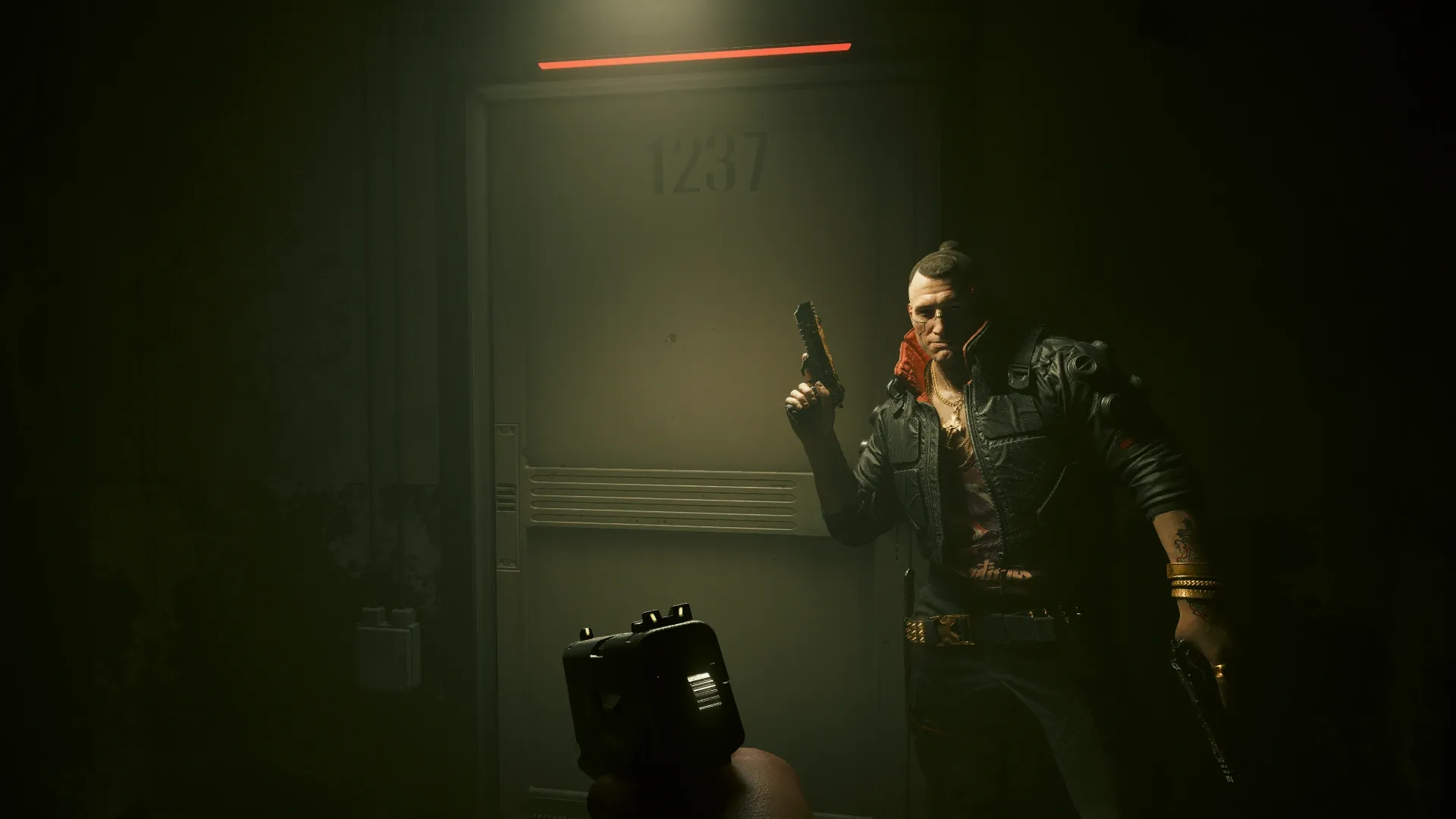
Behind that door, Sandra Dorsett is in a bath of ice with her Biomonitor jammed.
Their placement at third comes down to one detail from the first job V ever takes. When the scavs grabbed Sandra Dorsett, they forced a jammer chip into her neuroport to mute her Biomonitor, so Trauma Team never registered that their client was dying. V and Jackie find her floating in a bath of ice, kept fresh. In a city where survival is a subscription, the scavengers' opening move is silently cancelling yours.
That is a different category of harm from being shot. Maelstrom kills you as an event. Scavs process you as inventory, and the Dogtown branch does it with better funding and better gear than their Night City counterparts — tolerated by Kurt Hansen for the simple reason that it pays.
4. Maelstrom Earns Extreme and Still Isn't the Worst Thing in Watson
Maelstrom deserves the only Extreme rating in the book. About 1,300 members holding the Northside industrial belt in Watson, founded by a man thrown out of another gang for breaking its combat code and built on the principle that there is no code. Metal over meat: nobody joins without extensive implantation, most members live at the edge of cyberpsychosis, and the gang's income mixes smuggled drugs with hit work whose victims turn up dismembered, skinned or set in wet concrete. Royce runs the All Foods crew, having taken it by force and locked the previous boss, Brick, inside the building he negotiates from.
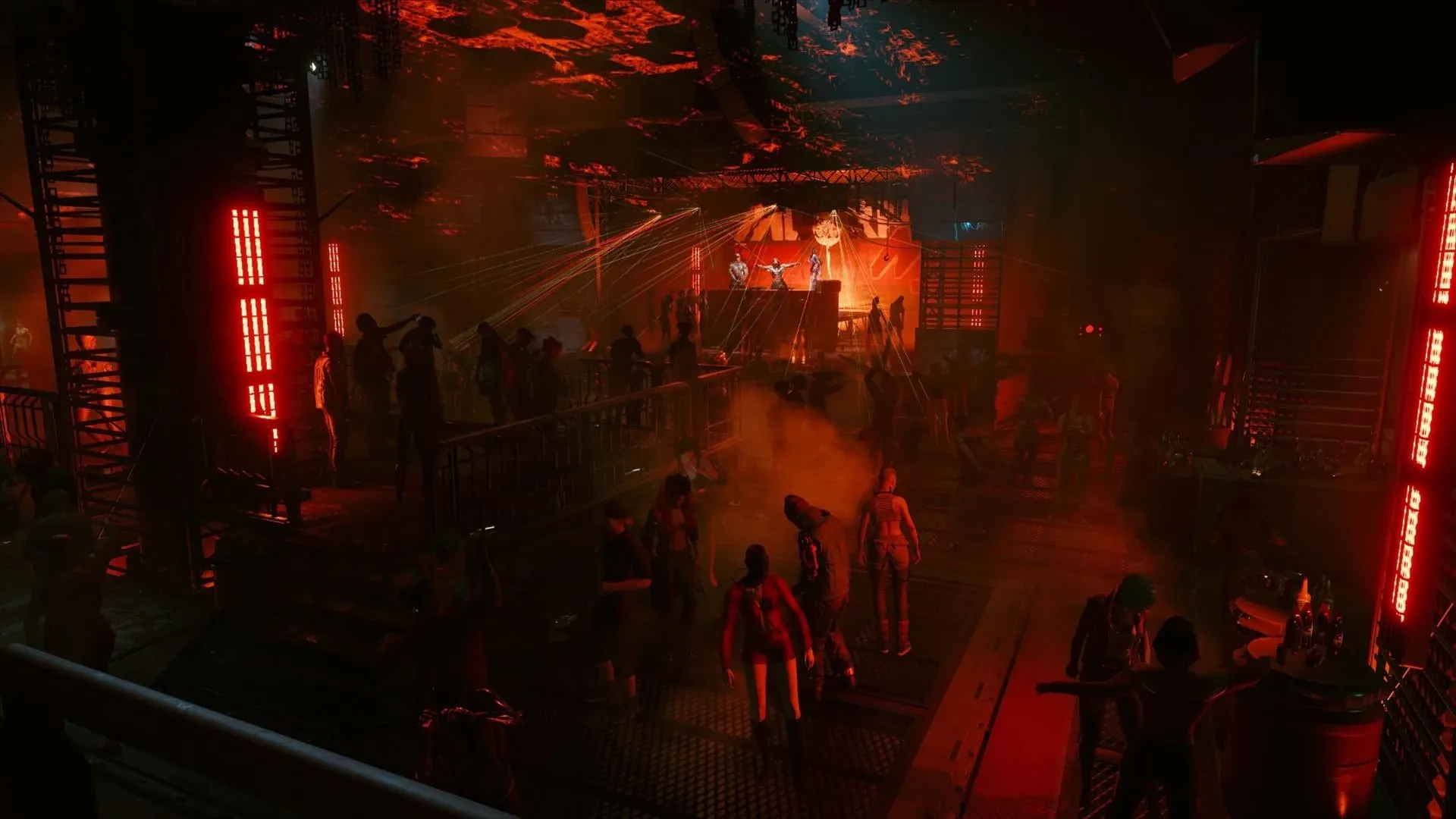
Totentanz. Maelstrom's Extreme rating is loud, public and survivable.
And yet the in-game database entry on Maelstrom closes with the tell: at the end of the day, it is all about biz, and the more rumours there are, the better. The lunacy is partly cultivated, because a reputation for unpredictability is cheaper than manpower. Extreme is a measure of volatility, and volatility is survivable in a way that a chop shop and an engram vault are not. Maelstrom will kill you loudly. It will not keep you.
5–7: Barghest, the Animals and the Wraiths Only Have Force
Everything below fourth place hits harder than the Voodoo Boys and matters less, because force is the one kind of danger Night City has already built an answer to.
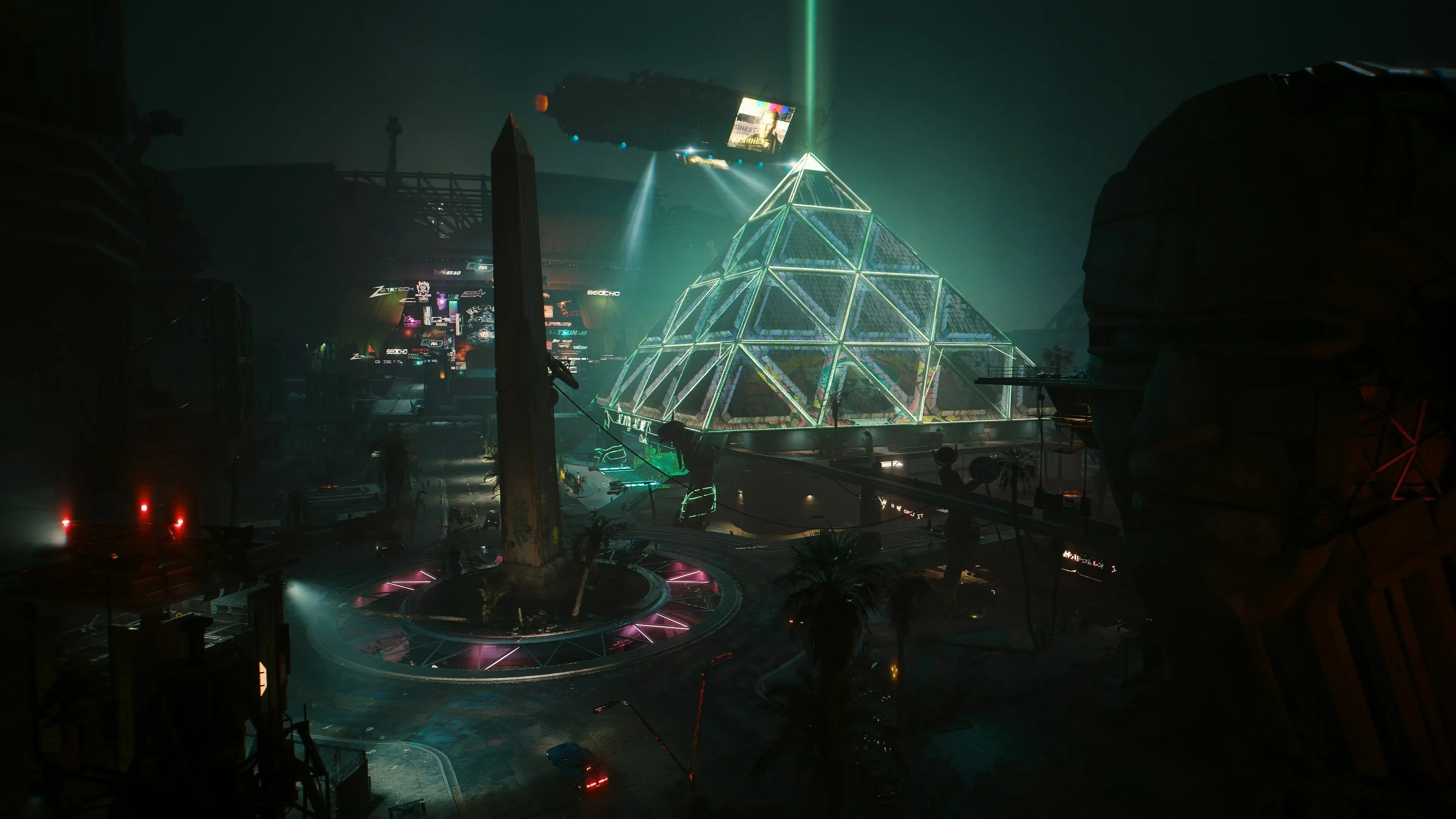
Dogtown. Barghest has kept the NCPD out of it for close to a decade.
Barghest is fifth and is easily the most militarily capable faction in the city. Kurt Hansen made colonel in Militech young, was handed an urban combat and pacification unit in 2067, and took a forward base at the EBM Petrochem Stadium during Operation Midnight Storm — the assault on Night City that got called off at the end of the Unification War. His withdrawal order came on 9 June 2070. He never left. Six soldiers from that original squad still sit at the top of the organisation, and Dogtown has run with the police entirely excluded for close to a decade since. But Barghest is dangerous the way a state is dangerous, and states publish their rules: pay the toll, don't film the checkpoints, and Hansen has no reason to know your name.
The Animals are sixth, rated High at somewhere between 2,500 and 3,000, spread across small packs under individual alphas with no permanent turf to defend. They largely refuse conventional cyberware, running on a home-brewed hormone cocktail called Juice and equine growth hormones instead, and every part of that build exists to close distance and hit you with a body. Their danger is also rented. Matilda K'rose has been alpha of her pack since 2075, and the only reason she is standing in the Grand Imperial Mall is that NetWatch is paying her to keep Bryce Mosley breathing — which makes her, in the Pacifica arc, hired security for the man the Voodoo Boys built a virus to kill. Muscle with a client is muscle you can route around by paying the client instead.
The Wraiths are seventh, also High, and the book puts them somewhere between 300 and 1,200 — a range that wide because exiles do not file census returns. That is what Raffen Shiv are: nomads thrown out of their families for the things the nomad codes cannot forgive, and the book's reading is that this makes them effective, since they have nothing left to lose. What it looks like in practice is smaller than that sounds. Nash is in debt, so he signs on beside Panam Palmer for the specific purpose of stealing her Thorton Mackinaw and a 6th Street shipment along with it. Their danger is real and entirely transactional.
8–11: The Big Gangs Take Your Leverage, Not Your Life
The two largest gangs in Night City are both down here, and not because either is gentle. It is because what they want from you is ongoing, and an ongoing arrangement is one you can be alive inside. The last entry belongs at the bottom for the opposite reason.
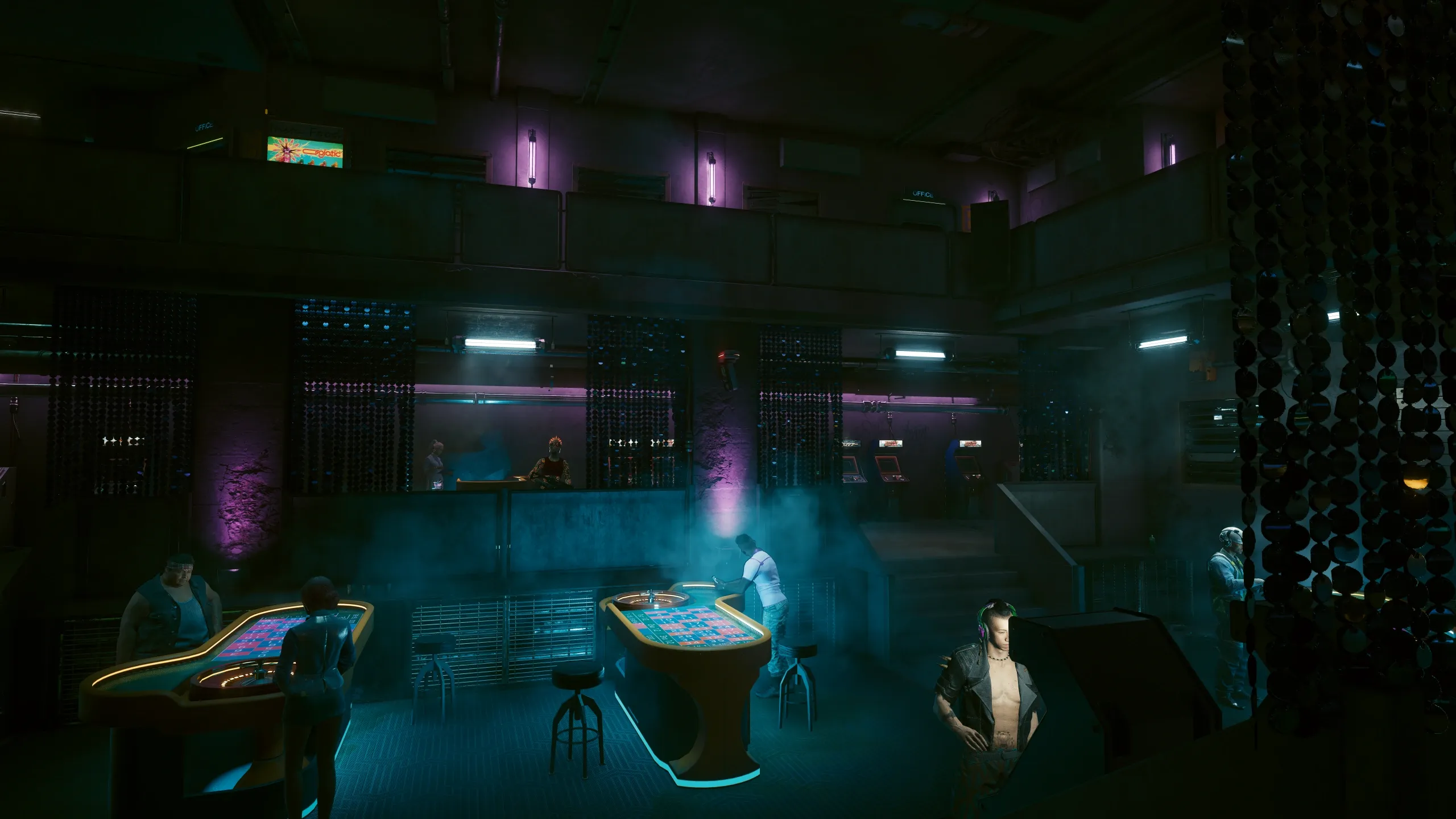
The Tyger Claws' real weapon is the till.
The Tyger Claws are eighth on about 5,500 members, and their balance sheet is more revealing than their arsenal: nightclubs, casinos and braindance bars across the slice of Japantown they hold, which is the city's lead nightlife district. Leadership runs on yakuza logic and prefers business to war, while the rank and file are freely brutal and seldom punished for it — cross the lowest-ranking Tyger and the whole gang answers. What they take is leverage, and Clouds is where the invoice comes due: Woodman, the doll house's "talent manager", repeatedly raped Evelyn Parker while she was incapacitated and sold her on when he got bored. That is the second faction to destroy the same woman, and the difference is instructive. Brigitte did it from another district in seconds. Woodman needed access, a room and time — which is why the Claws rank here and the Voodoo Boys rank second.
The Valentinos are ninth and the largest gang in Night City at roughly 6,000, rated Medium/High almost entirely on that number. They are woven into Heywood's barrios — the Glen, Vista del Rey, Wellsprings — behind legal restaurants, clubs and auto shops fronting laundering, stolen cars, guns and human trafficking. The century of Chicano tradition is real and so is that last item. What keeps them this low is that their violence is bounded by turf and grudge, and a bounded threat is a survivable one: if the Valentinos come for you, you already know why, and you knew before they arrived.
6th Street is tenth, around 2,300, holding Arroyo, kitted out by Militech and Kendachi. Fourth Corporate War veterans, ex-cops and ex-corporate security who formed up to bring order to a city that had lost its own, and now run extortion, arms dealing and car theft under an NUSA flag. They are the only faction on this list that takes something from you before they do anything at all, because the pitch itself is the con: in a district with no functioning police, they are what showing up looks like. What they cost you is the assumption that anyone in this city is on your side, and paying them is what confirms it.
The Mox are eleventh, two hundred-odd members, rated Low, and the only Low on this board that means exactly what it says. They formed in 2067 after a sex worker's murder set off days of rioting, they operate out of Lizzie's Bar, and they organised for mutual defence rather than territory. Every other entry here is ranked by what it takes. The Mox are on the list because a threat assessment that cannot distinguish them from the Voodoo Boys is not measuring threat.
That is the real problem with the official numbers, and it goes deeper than a bad axis. Night City is built on the premise that damage is repairable — it is what the ripperdoc on the corner is for, what the Trauma Team subscription is for, what the Bounce Back in your pocket is for. Every rating in that book is a guess at how much repairable damage a faction can do, which is why Maelstrom scores highest of any gang: it does an enormous amount of repairable damage, enthusiastically. The top three here are the only factions operating outside the repair economy at all — the chop shop that switches off your subscription before it opens you up, the netrunners who reach the part of you no ripperdoc can get to, and the corporation holding a vault of people who have already been fixed as far as they are ever going to be.